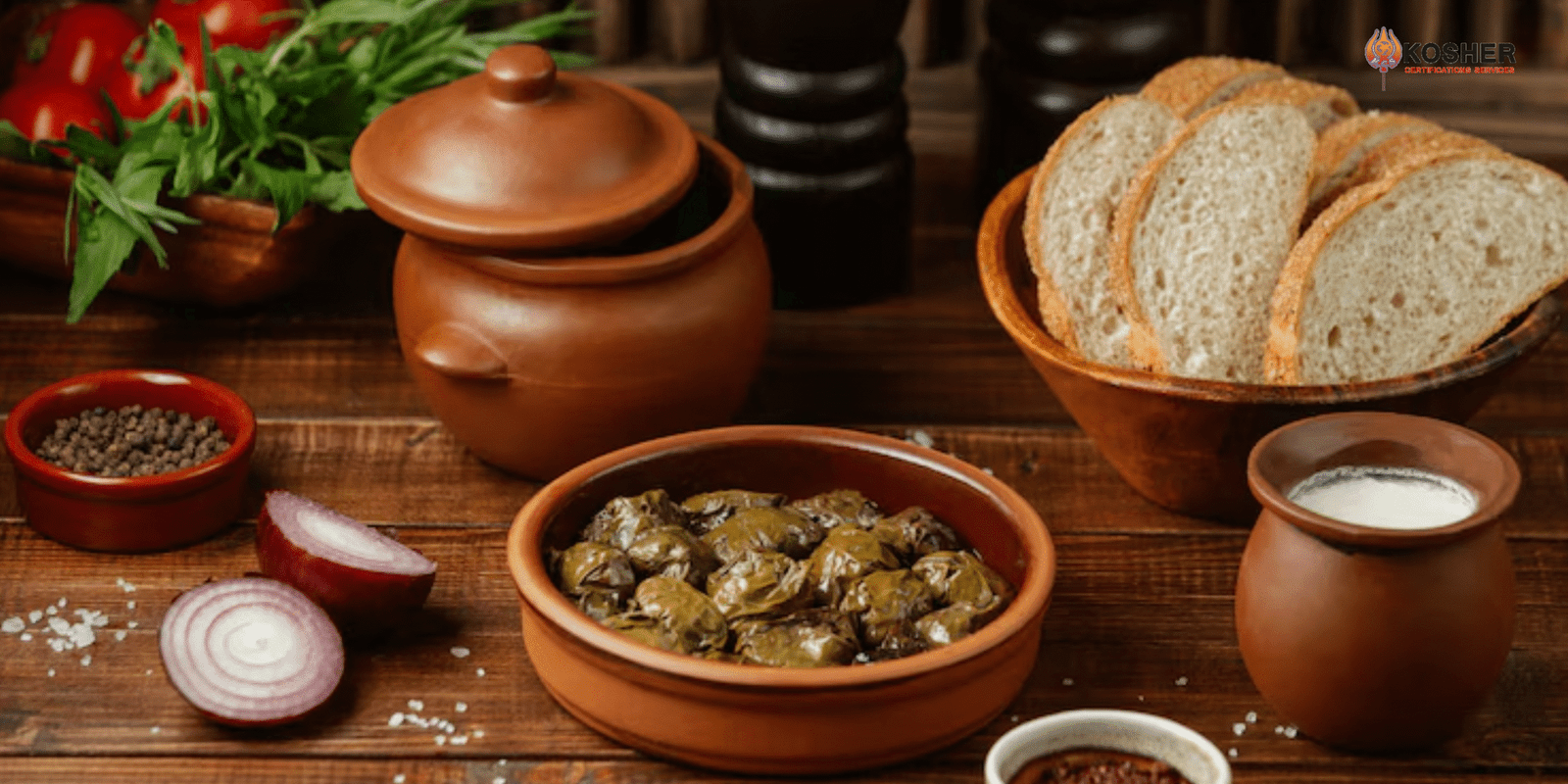
A Kosher Certificate is an official document that verifies a product, food establishment, or manufacturing process complies with Jewish dietary laws, known as kashrut. These laws define what is considered “kosher” or fit for consumption according to traditional Jewish beliefs. A kosher certificate confirms that the food or item has been prepared, processed, and handled in accordance with these rules. It’s not just a religious requirement but a trusted standard used by millions of people around the world who choose kosher products for religious, health, or quality reasons. Businesses that receive kosher certification must follow strict guidelines and are regularly inspected by qualified kosher authorities to maintain their status.
Why Kosher Certificate Matters
Kosher certification is important to both consumers and producers. For consumers who keep kosher, the certificate guarantees that the food meets the requirements of their faith, providing peace of mind and assurance. Beyond the religious context, many people view kosher products as being cleaner, safer, and better regulated. This is because the kosher certification process involves close supervision, detailed ingredient checks, and proper food handling practices. For businesses, having a Kosher Certificate opens up new markets. It allows them to reach a wider customer base including Jewish communities, health-conscious consumers, vegetarians (especially with pareve products), and even Muslim customers looking for alternatives to halal. In global trade, kosher certification often improves export potential and enhances product reputation in competitive food industries.
The Process of Getting a Kosher Certificate
The process of obtaining a kosher certificate begins when a company contacts a recognized kosher certification agency. These agencies, often led by trained rabbis and experts in kosher law, evaluate every aspect of the business’s operations. The review includes a detailed inspection of all ingredients used, the equipment involved in production, and the cleanliness of the facility. Agencies also verify that kosher and non-kosher items are kept separate, particularly meat and dairy, which must never be processed or served together under kosher law. If the facility passes inspection, the certifying agency grants the Kosher Certificate and allows the use of its certification symbol—often a letter “K” or “U” enclosed in a circle or star—on packaging and marketing materials. To retain certification, companies must agree to regular, sometimes surprise, inspections to ensure ongoing compliance.
Types of Kosher Certification
Kosher certification is not one-size-fits-all. Depending on the product and the target market, different types of certification may be required.
The most basic distinction is between meat (fleishig), dairy (milchig), and pareve (neutral) products. Under kosher law, meat and dairy must never be mixed. As a result, businesses must use separate equipment and processes for each category.
Pareve items, such as fruits, vegetables, fish, and certain baked goods, are neutral. They can be consumed with either meat or dairy meals. This makes them easier to certify in many cases.
Some meat products may carry a “glatt kosher” label. This term refers to a higher standard of inspection, particularly for the animal’s lungs, which must be free of any defects.
Benefits of Kosher Certification for Businesses
For food manufacturers, distributors, and service providers, having a Kosher Certificate is a smart investment. It demonstrates a commitment to quality, transparency, and customer trust. It can lead to increased sales, especially in regions with large Jewish populations or where kosher products are perceived as healthier or more carefully prepared. Retailers and supermarkets often prefer stocking certified kosher items, knowing they appeal to a broader customer base. Even airlines, hospitals, and hotels seek kosher-certified food to meet diverse dietary needs. The certification also gives businesses a competitive edge in international markets, where kosher products are often in high demand. In a global economy where customers are more informed and selective than ever, kosher certification helps brands stand out by showing they adhere to high standards of food safety, sourcing, and ethical production.