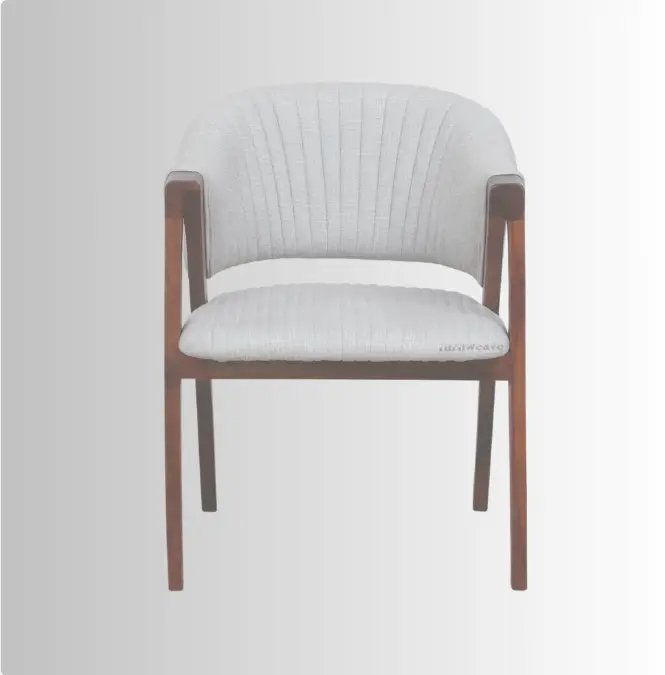
Wooden dining chairs are meant to last for decades. In the right conditions, a well-made chair can serve three generations. But Indian homes present a particular set of challenges for timber: monsoon humidity, damp walls, termites in the soil, and tiny wood-boring beetles that quietly turn a strong frame into a fragile one.
The good news is that these problems are largely preventable. With the right timber, proper treatment, and a few sensible habits, wooden chairs stay strong and handsome for a very long time. This guide explains the main threats, how makers protect against them, and what you can do at home. It will be useful whether you are buying a single set or sourcing through a Dining Chair Wholesale Supplier for a larger project.
Know the Enemies of Wooden Furniture
Termites
Termites feed on the cellulose in wood. They often work from the inside, so a chair can look sound on the surface while being hollowed out within. They are attracted to damp timber and to wood in contact with soil or damp walls.
Wood borers
Small beetles lay eggs in timber, and the larvae tunnel through it. The classic sign is tiny round holes and fine powder, sometimes called frass, beneath the chair.
Dampness and humidity
High moisture does not just invite pests. It also encourages fungus, mould, and rot, and it makes timber swell and joints loosen.
Dry heat and sudden changes
Very dry air or strong direct heat can cause timber to shrink and crack, which creates entry points for pests and weakens joints.
Why Timber Choice Matters
Some woods are naturally more resistant than others.
| Timber | Natural resistance | Notes |
|---|---|---|
| Teak | High, thanks to natural oils | A classic choice for longevity and moisture resistance |
| Sheesham | Good, with dense heartwood | Strong and widely used in Indian furniture |
| Acacia | Moderate to good | Hard and dense, but quality varies |
| Mango | Moderate | Needs proper treatment and care |
| Softwoods | Lower | Usually need more protective treatment |
A Teak Wood Dining Chair is often chosen specifically because teak holds up so well in humid, pest-prone conditions. Even so, no timber is immune, which is why preparation and care still matter.
How Good Makers Protect Their Chairs
Protection starts in the workshop.
- Heartwood selection: Heartwood, the darker inner wood, is generally more resistant than the pale sapwood.
- Proper seasoning and kiln drying: Reducing moisture lowers the risk of pests and rot, and it prevents warping.
- Anti-termite and anti-borer treatment: Approved preservative treatments applied to timber before it is shaped.
- Careful joinery: Tight joints leave fewer hidden gaps where moisture and insects can settle.
- Sealing and finishing: A good polish or lacquer on every surface, including the undersides and legs, slows moisture exchange.
- Sealed leg bases: Chair feet are the most exposed to floor moisture, so sealing the bottoms helps.
- Clean workshop storage: Timber stored off the ground, in dry, ventilated conditions.
A dependable maker will explain these steps openly. When you speak with a Handcrafted Wooden Dining Chair maker, ask about treatment and seasoning, and look for clear, specific answers.
Signs of Trouble to Watch For
Inspect your chairs from time to time, especially after the monsoon.
- Tiny round holes in the wood, or fine powder collecting beneath the chair
- Mud tubes along legs, walls, or floors, which are a sign of termites
- Hollow-sounding timber when you tap it gently
- Soft, spongy, or crumbling spots in the wood
- Dark patches, white fuzz, or musty smells, which can signal damp and mould
- Loose joints or a wobble that was not there before
- Swollen or warped parts after humid weather
Catch problems early, and repair is much easier.
Everyday Habits That Protect Your Chairs
Control moisture
- Keep furniture a few centimetres away from damp or external walls.
- Ventilate the dining area, especially during the monsoon.
- Wipe up spills promptly and dry chair legs after mopping.
- Use a dehumidifier or silica gel in very damp rooms, if needed.
Keep the floor under control
- Avoid dripping mops near chair legs.
- Use felt pads or rubber-free protectors under legs to lift them slightly off wet floors and prevent scratches.
- Do not let water stand around furniture.
Reduce pest attraction
- Keep the home clean and clutter-free, especially behind furniture.
- Avoid storing damp cardboard, paper, or firewood near wooden furniture.
- Seal cracks in walls and floors where pests may enter.
- Arrange regular pest inspections if your area is prone to termites.
Clean gently
- Dust with a soft, dry cloth.
- Wipe occasionally with a slightly damp cloth, then dry immediately.
- Avoid harsh chemicals, which can strip the finish.
Refresh the finish
- Re-polish every few years, as advised by your maker.
- Pay special attention to legs, underside rails, and joints.
What to Do If You Find a Problem
- Isolate the chair from other furniture, if you see signs of active infestation.
- Photograph the damage for your records.
- Call a professional pest control service for termites or borers. Do not rely on random home remedies.
- Consult your maker or a skilled carpenter about repair or replacement of damaged parts.
- Review the room’s moisture and ventilation, since the cause often lies in the environment.
Serious structural damage may mean a chair cannot be safely used, so never ignore a wobbling or hollow frame.
Considerations for Bulk and Commercial Buyers
Cafés, restaurants, guest houses, and developers who buy in quantity face the same risks, at scale. If you are sourcing from a Dining Chair Wholesale Supplier, ask:
- Which timber species are used, and where do they come from?
- How is the timber seasoned and treated?
- Are all surfaces sealed, including leg bottoms and undersides?
- What packaging protects chairs from moisture in transit and storage?
- Can the supplier provide samples and quality documentation?
- What warranty covers structural defects?
For high-humidity locations, such as coastal sites or hill stations, discuss extra protection with your supplier at the start.
Upholstered and Rattan Chairs
Wooden frames are only part of the picture. Upholstered Dining Chair designs have fabric and foam, which can hold moisture, so keep them dry and ventilated. A Rattan Dining Chair has natural fibres that can be affected by damp and need airflow. Check each material’s care instructions, and remember that a protected frame is the foundation of every style.
Sets and Matching Designs
Many families buy Dining Chairs Wooden Set of 4 for the dining table. Inspect all chairs equally, since one affected chair can spread problems. If you are matching chairs to a round table, you may also search for terms like Ghumav Wooden Round Dining Table Set 4 Seater. Whatever style you choose, the same protective principles apply.
Working with a Reliable Source
A dependable Dining Chair Manufacturer or Dining Chair Supplier will provide a care guide, explain their treatment, and be ready to help with after-sales issues. Ask about warranty terms and whether re-polishing or repair services are available.
A Quick Protection Checklist
- Naturally durable timber chosen, such as teak or sheesham
- Seasoning and treatment explained by the maker
- All surfaces, including legs and undersides, sealed
- Chairs kept away from damp walls and wet floors
- Room ventilated, especially during the monsoon
- Regular inspections for holes, powder, and mud tubes
- Finish refreshed every few years
- Professional help sought for any infestation
Final Thoughts
Wood is a living material with natural enemies, but it is also remarkably resilient when treated with respect. Choose naturally durable timber, ask makers about seasoning and treatment, and keep your dining area dry and ventilated. A few minutes of inspection after each monsoon can save years of trouble. Look after your chairs, and they will look after your family at the table for many decades to come.