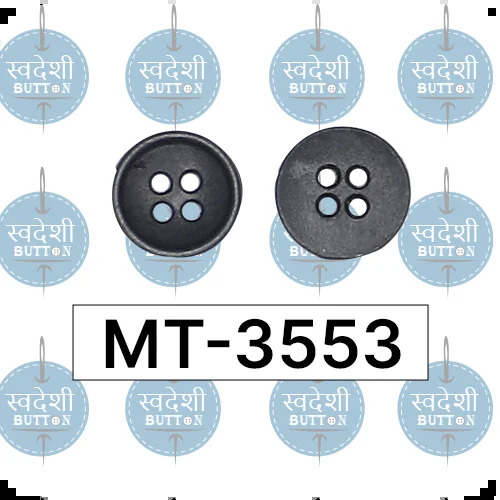
Picking a button can feel like a small decision, but it changes how a garment looks, feels and lasts. A heavy button on a thin fabric will sag. A flimsy button on a coat will fail within a season. Choosing the right Metal Button means matching it to the fabric, the garment type and how the piece will be worn and washed. This guide walks you through the key factors, garment by garment.
Why Metal Buttons Are Popular
Metal buttons are valued for their strength, weight and premium look. They hold fine detail, so they can carry logos, patterns and engraved text. They also work in many finishes, from bright silver to antique brass to matte black. For brands that want a distinctive, durable trim, a metal button is often the first choice.
Behind every good button is careful Metal Button Manufacturing, which covers the alloy, the shaping method, the finishing and the quality checks. Knowing what goes into a button helps you choose with confidence.
Five Factors to Consider Before You Choose
1. Fabric weight
Heavy fabrics such as denim, wool and canvas can carry a larger, heavier metal button. Light fabrics such as cotton voile, georgette or fine shirting need a smaller, lighter button, or the garment will pull and drape badly.
2. Button size
Button size is measured in ligne. A button that is too big looks clumsy, and one that is too small can look lost on the garment. Always check that the size matches the buttonhole.
3. Finish
Choose a finish that suits the garment’s style:
- Antique brass or copper: heritage, rustic and classic looks
- Nickel or silver: shirts, formal wear and clean styles
- Gold: uniforms, fashion wear and festive pieces
- Gunmetal or black: denim, streetwear and modern outerwear
4. Attachment type
Metal buttons are attached in different ways, such as shank, tack, snap or sew-through styles. The right choice depends on the garment. Jeans typically use tack buttons, while coats and blazers usually use shank buttons.
5. Washing and wear
If the garment will be washed often, choose a finish that resists fading, peeling and tarnish. Ask your supplier how the finish is tested.
Garment-by-Garment Guide
| Garment | Recommended Metal Button | Notes |
|---|---|---|
| Jeans and denim | Tack buttons in gunmetal, antique brass or copper | Needs strong attachment and wash resistance |
| Formal shirts | Small, light buttons in silver or nickel | Keep weight low to avoid sagging |
| Blazers and suits | Shank buttons in brass, gold or silver | Choose matching sizes for front and sleeve |
| Coats and jackets | Larger, heavier shank buttons | Must stay secure under daily strain |
| Uniforms | Embossed buttons in gold or silver | Logo detail adds brand identity |
| Ethnic and festive wear | Decorative buttons with detailed design | Finish and design matter most |
How to Check Button Quality
Before approving a bulk order, inspect a sample for these points:
- Surface finish: It should be smooth, even and free of pits or scratches.
- Edges: Run a finger around the edge. Sharp spots can cut thread.
- Attachment: Tug firmly to see whether the shank or tack holds.
- Colour match: Compare several buttons from the batch, not only one.
- Wash test: Ask whether the finish has been tested for washing and wear.
Tips for Ordering in Bulk
- Request a sample first and keep it as your reference.
- Confirm sizes, finish and quantity in writing.
- Ask about minimum order quantity and lead time before you finalise your production schedule.
- Check that the bulk batch matches the approved sample.
Final Thoughts
The right metal button gives a garment character and lasting quality. Think about fabric, size, finish, attachment and care, and you will avoid most of the usual problems. To see designs, finishes and options for your next collection, explore the full Metal Button range at Swadeshi Button, or work with an experienced partner in Metal Button Manufacturing to create something made for your brand.