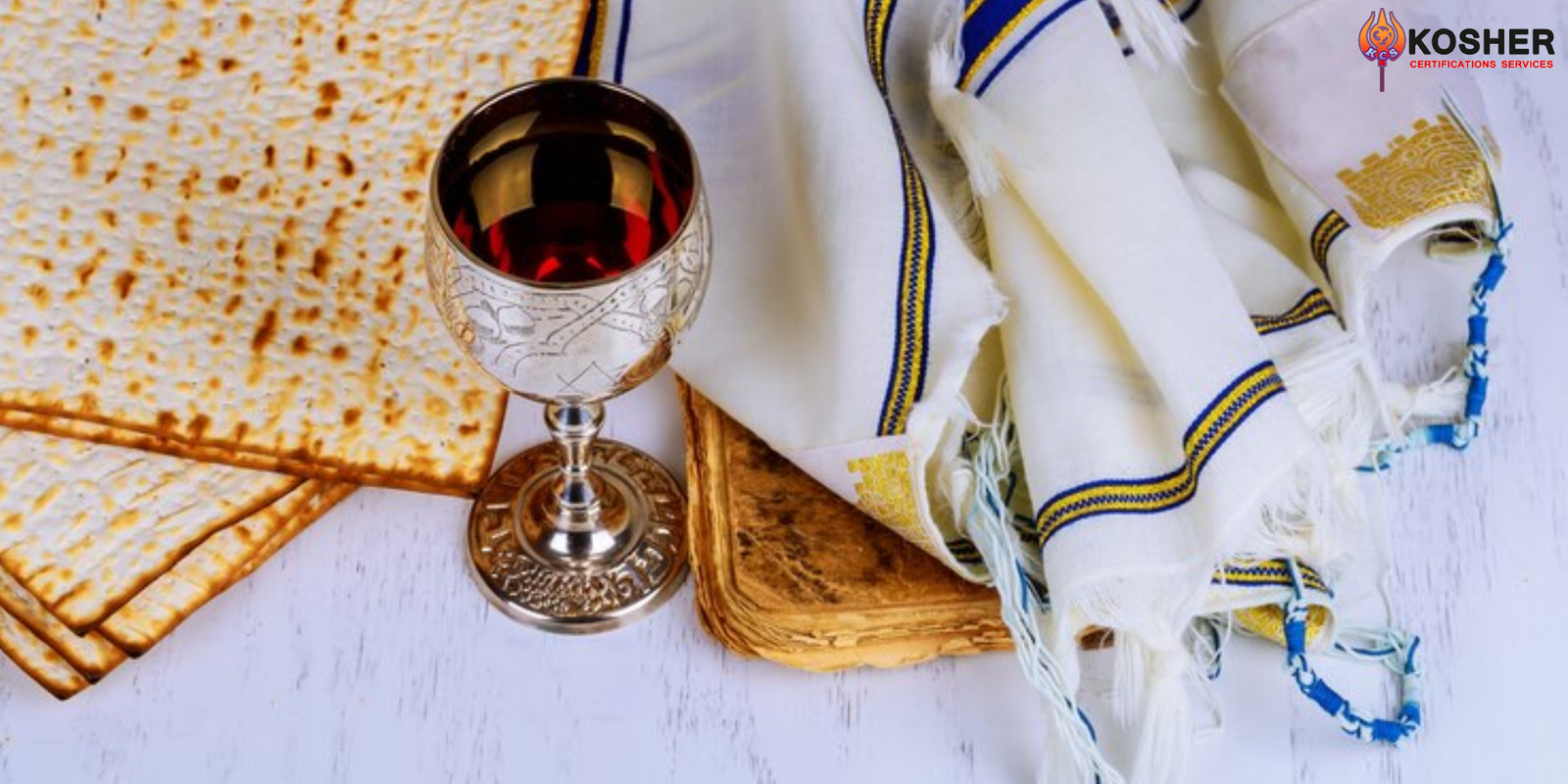
Kosher Certification is a process that verifies whether food products meet the dietary laws of Judaism, known as kashrut. These laws define which foods people can eat, how to prepare them, and how to handle and process them correctly. For example, people can eat animals like cows and chickens, but not pork or shellfish. They must also keep meat and dairy separate at all times. A trained professional must carry out the slaughtering process in a specific, humane way. To confirm everything follows kosher laws, a kosher agency reviews the ingredients and inspects the production process. If the product meets all the requirements, the agency grants permission to display a kosher symbol—such as OU, OK, or Star-K—on the packaging.
Why Is Kosher Certification Important?
Kosher certification matters for both religious and practical reasons. For those who follow Jewish dietary laws, the kosher symbol provides confidence that the product is safe and permitted to eat. However, many non-Jewish consumers also choose kosher products for their strict quality control. People with food allergies or specific dietary needs often rely on kosher labels because of the detailed ingredient oversight. Additionally, kosher-certified food is associated with cleanliness, traceability, and ethical food handling, which appeals to health-conscious shoppers.
Who Benefits From Kosher Certification?
While kosher certification is rooted in Jewish tradition, its benefits go far beyond religious needs. Food businesses that obtain certification gain access to a broader market, including Jewish communities around the world. Products with a kosher label are also popular among Muslims, vegetarians, vegans, and people with dietary restrictions, thanks to the transparency and clarity provided by Kosher certification. For manufacturers and retailers, adding a kosher label helps build consumer trust and opens the door to international trade, especially in regions where kosher or similar dietary laws are followed.
How Does the Certification Process Work?
The kosher certification process begins when a food company applies to a recognized agency. The agency reviews every ingredient used and inspects the production facility. Trained inspectors ensure the entire manufacturing process aligns with kosher laws. In some cases, companies may need to make changes to equipment or ingredients to meet requirements. Once certified, the product can display the approved kosher symbol. Certification isn’t a one-time event—regular audits ensure ongoing compliance. This rigorous process protects the integrity of kosher food and reinforces the trust consumers place in certified products.