Summary
Stone pebbles have become one of the most popular elements in garden landscaping. Whether you are planning a modern minimalistic garden, a traditional outdoor setup, or simply want to add neat finishing touches around your plants, pebbles create a clean, beautiful, and durable visual appeal. They come in multiple colours, sizes, textures, and finishes, allowing homeowners, landscapers, and garden lovers to customise any outdoor or indoor green space easily.
Why Stone Pebbles Are Ideal for Gardens
One of the biggest advantages of using pebbles in gardens is their low-maintenance nature. Unlike organic mulches, pebbles do not decompose, attract pests, or require frequent replacement. Once placed, they remain intact for years with minimal upkeep. This makes them cost-effective and reliable, especially for Indian climates where summers and monsoons can quickly damage wooden or organic covering materials.
Pebbles also help in weed control by covering exposed soil. When combined with a good landscaping fabric or weed-control sheet, they drastically reduce unwanted plant growth. Their weight and density make them stable even during heavy rains or wind, making them perfect for open garden areas, walkways, and borders.
Another key benefit is their excellent drainage capability. Garden pebbles allow rainwater to seep through, preventing waterlogging around plants. This is particularly useful for succulents, ornamental plants, and potted gardens where excessive moisture can lead to root rot.
Types of Stone Pebbles for Garden Landscaping
Stone pebbles are available in several natural materials, each offering a unique aesthetic:
1. River Pebbles
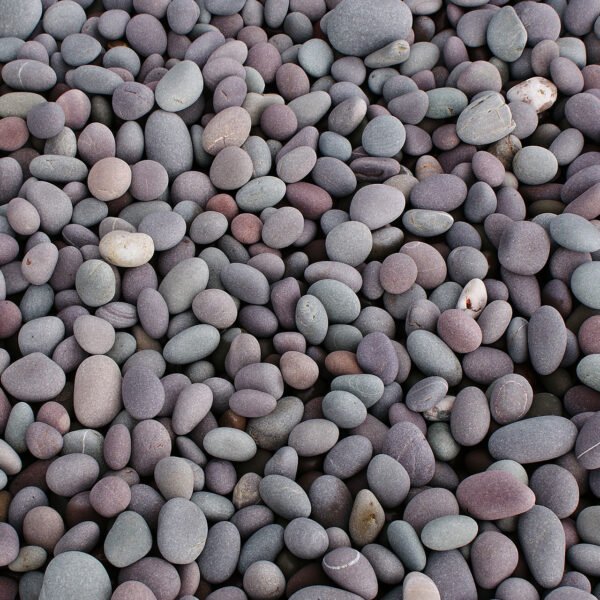
Smooth, round, and naturally polished by water flow, river pebbles are ideal for pathways, ponds, and zen gardens. Their earthy tones blend beautifully with natural greenery.
2. White Marble Pebbles
These pristine white stones create an elegant and premium look. They reflect sunlight, making gardens appear brighter and cleaner. Popular choices include snow-white and super-white pebbles.
3. Black Polished Pebbles
Deep black, glossy pebbles offer a modern and luxurious feel. They provide striking contrast when used around colourful plants, bonsai displays, or water features.
4. Multi-Colour Pebbles
These include a natural mix of beige, brown, grey, red, and cream stones. They are perfect for decorative borders and vibrant landscaping themes.
5. Quartz Pebbles
Quartz stones come with a slight shine and sparkle, creating a rich and stylish garden setting. They are widely used in resorts, terrace gardens, and indoor planters.
6. Crushed Pebbles / Chips
These angular stones are used for pathways, garden beds, and large areas where better grip is required. They also support excellent drainage.
Where to Use Stone Pebbles in the Garden
Stone pebbles are highly versatile and can be used in several creative ways:
• Pathways and Walkways
Pebbles create strong and beautiful pathways that remain stable even with daily foot traffic.
•Around Plants and Pots
Placing pebbles in flowerbeds or on top of soil in pots improves aesthetics and reduces moisture evaporation.
• Water Features
Pebbles enhance the natural look of fountains, pond edges, and small backyard water bodies.
• Rock Gardens and Zen Spaces
Smooth stones are a must-have for Japanese-inspired zen gardens and meditation spaces.
• Borders and Edging
They neatly separate grass, soil, and flowerbeds, giving the garden a well-defined appearance.
Advantages of Using Pebbles in Landscaping
- Long-lasting and durable
- Almost zero maintenance
- Environment-friendly
- Improves soil moisture balance
- Prevents mud splashing in monsoons
- Enhances overall garden aesthetics
- Multiple colours and textures available
- Suitable for both indoor and outdoor spaces
Whether you want a modern minimalist look or a rustic natural setup, stone pebbles offer one of the easiest and most attractive landscaping solutions.
FAQs
Q1. What are stone pebbles used for in gardens?
Ans. Stone pebbles are commonly used for landscaping, pathways, borders, plant beds, water features, and decorative accents in outdoor spaces. They enhance the look of the garden while offering practical benefits like soil protection.
Q2. Are stone pebbles good for plant growth?
Ans. Yes, when used correctly. Pebbles help retain soil moisture, reduce weed growth, and prevent soil erosion. They do not harm plants and can improve the overall health of a garden.
Q3. Can stone pebbles be used for pathways?
Ans. Absolutely. Stone pebbles are durable, visually appealing, and provide a natural look to garden pathways. Larger pebbles or mixed-size pebbles work best for walking areas.
Q4. Do stone pebbles require maintenance?
Ans. Stone pebbles need minimal maintenance. Occasional rinsing to remove dust and rearranging displaced stones is usually enough to keep them looking fresh.
Q5. Are stone pebbles suitable for outdoor weather conditions?
Ans. Yes. Stone pebbles are naturally strong and weather-resistant. They can withstand rain, sunlight, and temperature changes without fading or breaking.
Conclusion
Stone pebbles for gardens are a perfect blend of beauty, practicality, and long-term value. Their natural textures, wide range of colours, and versatile applications make them ideal for transforming any space—small balcony gardens, large landscapes, hotel lawns, or residential yards. Easy to install, durable in all weather conditions, and visually appealing, garden pebbles ensure your outdoor space looks organised, stylish, and refreshing throughout the year. If you’re looking to elevate your garden without complicated maintenance, stone pebbles are one of the smartest choices you can make.
Our Latest Blog
Sandstone Manufacturers in India – Delivering Quality Stone for Modern Construction
Porcelain Tiles Manufacturers in India – Leading the Future of Modern Flooring
Sandstone Manufacturers – Quality Stone Solutions for Modern Construction