The business world is evolving faster than ever before. Organizations today face a complex mix of challenges, including digital transformation, cybersecurity threats, regulatory changes, stakeholder expectations, and economic uncertainty. In response to these developments, the role of internal audit is undergoing a significant transformation. Modern audit professionals are expected not only to evaluate controls and compliance but also to provide strategic insights that support governance, resilience, and sustainable growth.
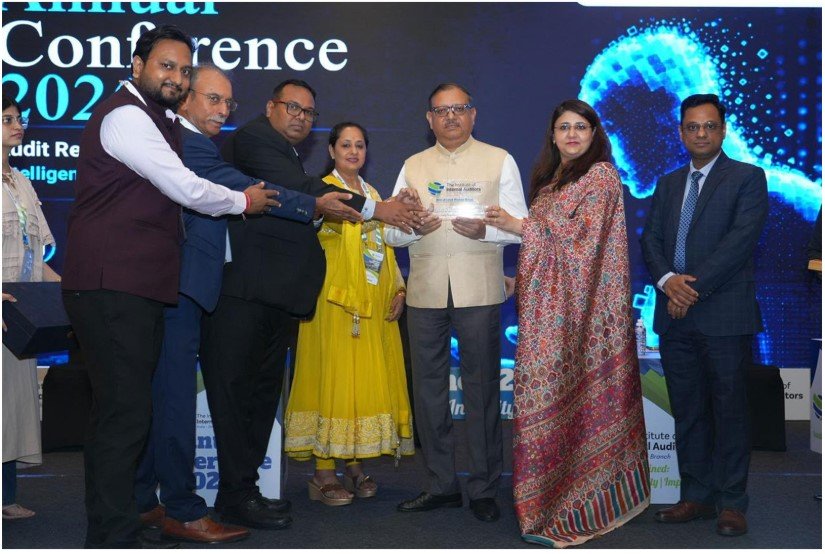
Against this backdrop, the Annual Conference 2026 themed “Audit Reimagined: Intelligence, Integrity & Impact” brought together industry leaders, governance professionals, risk experts, internal auditors, technology specialists, and senior executives. Held on 19–20 June 2026 at Holiday Inn, Aerocity, New Delhi, the conference served as a platform for discussing the future of auditing and exploring how organizations can navigate an increasingly complex business environment.
Understanding the Concept of Audit Reimagined
The theme Audit Reimagined reflects the changing expectations placed on audit professionals in the modern era. Traditional auditing primarily focused on reviewing financial records, verifying compliance, and identifying control weaknesses. Today, organizations require auditors who can anticipate risks, evaluate emerging technologies, and contribute to strategic decision-making.
Audit functions are now expected to:
- Deliver business insights
- Strengthen governance frameworks
- Support risk management
- Improve operational performance
- Evaluate digital transformation initiatives
- Promote transparency and accountability
- Build stakeholder confidence
The conference highlighted how auditing is evolving from a reactive function into a proactive and value-driven business partner.
Intelligence: Leveraging Technology for Better Decisions
One of the key pillars of Audit Reimagined is intelligence. Modern organizations generate enormous amounts of data every day. Auditors must be able to analyze this information efficiently and transform it into actionable insights.
Conference sessions explored how technology is reshaping audit functions through:
Artificial Intelligence
AI-powered systems are helping auditors identify patterns, detect anomalies, and perform risk assessments more accurately than traditional methods.
Data Analytics
Advanced analytics tools allow auditors to review complete datasets instead of relying solely on samples. This improves audit quality and provides deeper operational visibility.
Automation
Automation reduces repetitive manual tasks and enables audit teams to focus on strategic analysis and advisory activities.
Continuous Monitoring
Organizations are increasingly implementing continuous monitoring systems that provide real-time visibility into risks and control effectiveness.
These technologies are helping auditors become more efficient, proactive, and impactful.
Integrity: The Foundation of Trust
While technology continues to evolve, integrity remains one of the most important principles in auditing. The conference emphasized that trust is built through transparency, ethical conduct, independence, and accountability.
Discussions focused on:
- Ethical leadership
- Corporate governance
- Professional standards
- Regulatory compliance
- Organizational accountability
- Stakeholder trust
Strong integrity enables organizations to maintain credibility with investors, customers, employees, regulators, and other stakeholders.
As businesses face growing scrutiny, maintaining ethical standards is becoming increasingly important for long-term success.
Impact: Creating Value Beyond Compliance
The third pillar of Audit Reimagined is impact. Modern audit functions are expected to create measurable value rather than simply identifying deficiencies.
Today’s auditors contribute to organizational success by:
- Improving governance processes
- Enhancing risk management practices
- Identifying operational efficiencies
- Supporting strategic objectives
- Strengthening compliance programs
- Improving business resilience
By focusing on outcomes rather than activities alone, audit professionals can help organizations achieve sustainable growth.
Governance in a Rapidly Changing World
Governance was one of the central themes discussed throughout the conference. Effective governance provides the foundation for responsible decision-making, risk oversight, and organizational accountability.
Key governance topics included:
- Board effectiveness
- Governance frameworks
- Ethical decision-making
- Transparency initiatives
- Regulatory oversight
- Stakeholder engagement
Speakers emphasized that strong governance practices are essential for navigating uncertainty and maintaining organizational stability.
Cybersecurity and Digital Risk Management
As organizations become increasingly dependent on technology, cybersecurity has emerged as one of the most significant risks facing businesses today.
Conference discussions addressed:
- Cybersecurity governance
- Data protection strategies
- Third-party risk management
- Cloud security challenges
- Cyber resilience planning
- Incident response frameworks
Auditors are now expected to evaluate cybersecurity controls and help organizations strengthen their digital defenses.
Risk Management for the Future
Organizations operate in an environment characterized by rapid change and uncertainty. Effective risk management is therefore essential for long-term success.
The conference explored various risk categories, including:
- Strategic risks
- Operational risks
- Regulatory risks
- Technology risks
- Financial risks
- Reputational risks
- ESG-related risks
Participants gained valuable insights into how organizations can identify emerging threats and implement effective mitigation strategies.
Professional Development and Learning Opportunities
The event also emphasized the importance of continuous learning for audit professionals.
Attendees benefited from:
- Expert keynote sessions
- Industry panel discussions
- Technology-focused presentations
- Governance workshops
- Networking opportunities
- Best practice sharing
These sessions provided practical knowledge that professionals can apply within their organizations.
The Future of Audit Reimagined
One of the most important conclusions from the conference was that auditing will continue to evolve alongside technology and business innovation. Future audit professionals will require expertise in:
- Artificial Intelligence
- Data Analytics
- Cybersecurity
- ESG Reporting
- Strategic Risk Management
- Digital Governance
- Advisory Services
Organizations that embrace these capabilities will be better positioned to manage risks and capitalize on emerging opportunities.
Conclusion
Audit Reimagined represents the future of the auditing profession. By combining intelligence, integrity, and impact, modern auditors are helping organizations strengthen governance, manage risks, and create long-term value.
The Annual Conference 2026 successfully highlighted the opportunities and challenges shaping the future of auditing. Through discussions on technology, governance, compliance, cybersecurity, and innovation, the event provided valuable insights for professionals seeking to remain relevant in an increasingly dynamic business environment.
As organizations continue to adapt to change, the principles of Audit Reimagined will play a crucial role in building trust, improving resilience, and driving sustainable success for years to come.