In today’s fast-changing business environment, organizations face an increasingly complex network of risks that can affect operations, reputation, financial performance, and long-term sustainability. From cybersecurity threats and regulatory changes to technological disruption and economic uncertainty, businesses must continuously adapt to protect their interests and maintain stakeholder trust. This growing need for proactive oversight has made Risk Management one of the most important functions within modern organizations.
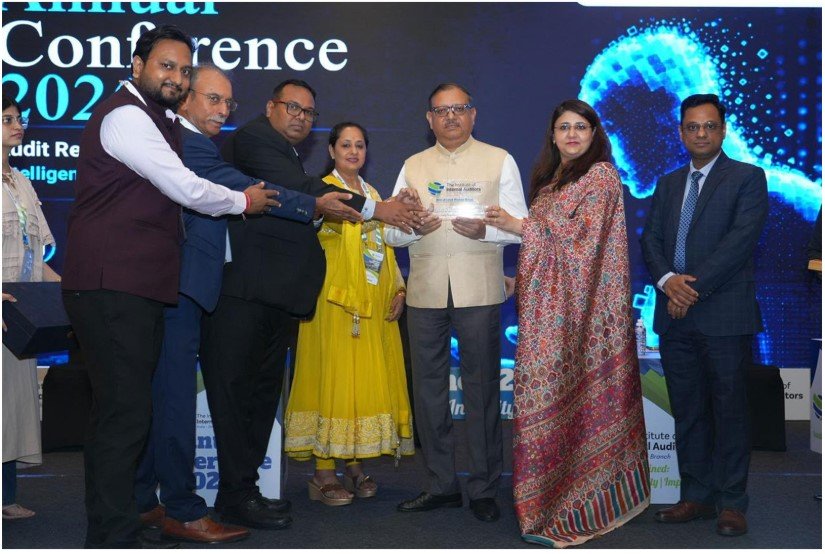
Recognizing these challenges, the Annual Conference 2026, themed “Audit Reimagined: Intelligence, Integrity & Impact,” brought together professionals from internal audit, governance, compliance, technology, and risk management backgrounds. Organized by the Delhi Branch of the Institute of Internal Auditors (IIA India), the conference was held on 19–20 June 2026 at Holiday Inn, Aerocity, New Delhi and focused on helping organizations prepare for the future through innovation, governance excellence, and stronger risk management practices.
Why Risk Management Has Become a Strategic Priority
Modern organizations operate in an environment where risks evolve rapidly. Traditional approaches that focused only on financial or operational risks are no longer sufficient. Businesses today must consider a broader range of challenges, including digital transformation, cyberattacks, ESG requirements, data privacy concerns, fraud risks, and changing regulatory expectations.
The conference emphasized that effective Risk Management is no longer a support function—it is a strategic necessity. Organizations that identify and address risks early are better positioned to make informed decisions, maintain resilience, and achieve sustainable growth.
Event Highlights and Conference Details
The conference attracted internal auditors, board members, chief audit executives, governance specialists, compliance officers, technology leaders, and risk professionals from across industries. The two-day event featured keynote sessions, panel discussions, technology showcases, and networking opportunities focused on the future of auditing and risk oversight. The event ran from approximately 9:00 AM to 5:30 PM and offered 12 CPE Hours for participating professionals.
Under the theme “Audit Reimagined: Intelligence, Integrity & Impact,” participants explored how organizations can build stronger governance frameworks while managing emerging risks more effectively.
Risk Management and the Digital Revolution
One of the most discussed topics during the conference was the impact of technology on risk management.
Artificial Intelligence and Risk Assessment
Artificial Intelligence (AI) is transforming how organizations identify and monitor risks. AI-powered tools can analyze large volumes of data, identify unusual patterns, and provide predictive insights that help businesses make better decisions.
Experts discussed how AI can strengthen risk management processes by:
- Detecting anomalies in real time
- Improving fraud detection
- Enhancing compliance monitoring
- Supporting predictive analytics
- Strengthening internal controls
The integration of AI into governance and assurance functions is expected to become a major trend in the coming years.
Data Analytics and Continuous Monitoring
Modern risk management increasingly depends on data-driven decision-making. Conference sessions highlighted how analytics tools allow organizations to move from periodic reviews to continuous monitoring.
Benefits include:
- Faster identification of emerging risks
- Better operational visibility
- Improved decision-making
- Enhanced audit effectiveness
- Stronger regulatory compliance
These capabilities enable organizations to respond more quickly to changing business conditions.
Cybersecurity: A Critical Risk Area
Cybersecurity remains one of the most significant challenges facing organizations worldwide. As businesses become more dependent on digital platforms, cloud technologies, and connected systems, cyber risks continue to grow.
Conference discussions focused on:
- Information security governance
- Data privacy compliance
- Cyber resilience planning
- Third-party risk management
- Cloud security controls
- Incident response readiness
Speakers emphasized that cybersecurity should be integrated into broader Risk Management frameworks rather than treated as a standalone IT issue.
Governance and Risk Management
Strong governance is essential for effective risk management. Organizations with clear governance structures are better equipped to identify, evaluate, and respond to risks.
Key governance topics discussed included:
- Board oversight responsibilities
- Governance frameworks
- Regulatory compliance
- Ethical leadership
- Accountability and transparency
- Stakeholder trust
Participants learned how governance and risk management work together to support organizational resilience and long-term success.
Emerging Risks Shaping the Future
The conference highlighted several emerging risks that organizations must prepare for:
- Artificial Intelligence risks
- Regulatory and compliance changes
- ESG reporting requirements
- Fraud and financial crime
- Supply chain disruptions
- Economic uncertainty
- Reputation management challenges
- Technology-driven business risks
Experts stressed that organizations should adopt a proactive approach to risk identification and mitigation rather than reacting after issues occur.
Benefits for Risk Management Professionals
The conference provided valuable opportunities for professional development and knowledge sharing. Attendees benefited from:
- Expert keynote presentations
- Industry panel discussions
- Technology demonstrations
- Practical case studies
- Networking sessions
- Governance insights
- Regulatory updates
These sessions helped professionals strengthen their understanding of modern risk management practices and emerging industry trends.
The Future of Risk Management
One of the strongest messages from the conference was that the future of Risk Management will be driven by a combination of technology, human expertise, and strong governance. Organizations must invest in modern tools, develop skilled professionals, and build cultures that prioritize transparency and accountability.
Future-focused organizations will increasingly rely on:
- Artificial Intelligence
- Advanced Analytics
- Continuous Monitoring
- Cyber Risk Management
- ESG Risk Assessment
- Strategic Governance Frameworks
These capabilities will help organizations remain resilient and competitive in a rapidly changing world.
Conclusion
The Annual Conference 2026 demonstrated that Risk Management has become a cornerstone of modern business success. Through discussions on governance, artificial intelligence, cybersecurity, compliance, and emerging risks, the event provided valuable insights into the future of organizational resilience.
As businesses continue to navigate uncertainty and digital transformation, effective risk management will remain essential for protecting value, maintaining trust, and achieving sustainable growth. Events like Audit Reimagined: Intelligence, Integrity & Impact play an important role in helping professionals develop the knowledge and skills needed to lead the next generation of risk management and governance excellence.