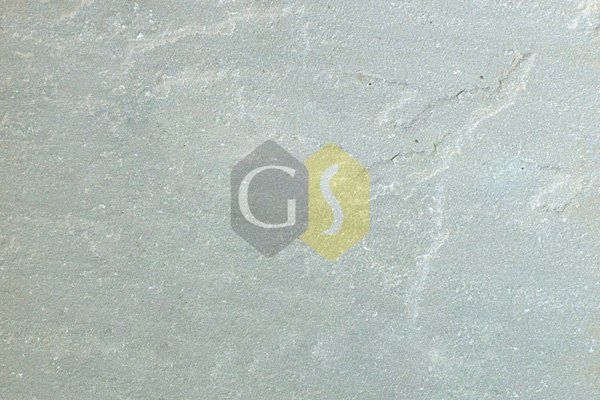
India is one of the largest producers of sandstone, offering a wide variety of high-quality natural stones used in construction and architecture. From historical monuments to modern homes, sandstone continues to be a preferred material due to its durability, versatility, and natural beauty. If you are planning to source sandstone, understanding its types, availability, pricing, and limitations is essential.
Which Indian sandstone is best?
The best Indian sandstone depends on the application and design preference. Rajasthan sandstone is widely considered the best due to its superior quality, strength, and color consistency. Popular varieties include Dholpur beige, Jodhpur red, and Kota stone. These stones are highly durable and suitable for both indoor and outdoor use. For premium projects, finely finished and calibrated sandstone is often preferred as it provides a uniform and elegant look.
What are the 4 types of sandstone?
Sandstone is classified based on its composition and formation. The four main types include quartz sandstone, arkose sandstone, lithic sandstone, and greywacke. Quartz sandstone is the most durable and widely used due to its high silica content. Arkose sandstone contains feldspar and is slightly less resistant. Lithic sandstone includes rock fragments, while greywacke is darker and more compact. Each type has specific uses depending on strength and appearance requirements.
Where can we find sandstone in India?
Sandstone is mainly found in northern and central India. Rajasthan is the leading producer, with regions like Jodhpur, Dholpur, and Bikaner supplying high-quality stone. Madhya Pradesh and Uttar Pradesh also have significant sandstone reserves. These regions provide a wide range of colors and textures, making India a global hub for sandstone supply and export.
How much is Indian sandstone per square meter?
The price of Indian sandstone varies depending on quality, finish, thickness, and location. On average, sandstone can range from ₹150 to ₹800 per square meter. Premium varieties with polished finishes or custom sizes may cost more. Export-quality sandstone and bulk orders often have different pricing structures based on shipping and processing requirements.
Which are the top 10 sandstone buildings in India?
India is home to many iconic sandstone structures that showcase its durability and beauty. Some of the most famous include the Red Fort in Delhi, Fatehpur Sikri in Uttar Pradesh, and Humayun’s Tomb. Other notable examples include India Gate, Rashtrapati Bhavan, and various forts and palaces in Rajasthan. These structures highlight how sandstone has been used for centuries in Indian architecture.
What are the disadvantages of Indian sandstone?
While sandstone offers many benefits, it also has some limitations. It is relatively porous, which means it can absorb water if not properly sealed. Over time, exposure to harsh weather conditions may cause slight erosion or color fading. Sandstone also requires regular maintenance to preserve its appearance and strength. However, with proper care and installation, these issues can be minimized effectively.
Conclusion
Sandstone suppliers in India provide a wide range of options suitable for various construction and design needs. With abundant natural resources, competitive pricing, and global demand, India remains a top choice for sandstone sourcing. By understanding the types, pricing, and applications, you can select the right sandstone for your project. Whether for residential landscaping or large architectural developments, Indian sandstone offers a perfect combination of beauty, durability, and value.
FAQ
Which Indian sandstone is best?
The best Indian sandstone depends on your project needs. Rajasthan sandstone is considered the highest quality due to its durability, color consistency, and wide variety. Popular options like Dholpur Beige and Jodhpur Red are ideal for both indoor and outdoor applications.
What are the 4 main types of sandstone?
The four main types of sandstone are quartz sandstone, arkose sandstone, lithic sandstone, and greywacke. Quartz sandstone is the most durable, while others vary in composition, strength, and appearance based on mineral content.
Where is sandstone found in India?
Sandstone is mainly found in Rajasthan, Madhya Pradesh, and Uttar Pradesh. Rajasthan is the largest producer, supplying a wide range of colors and textures for construction and export markets.
What is the price of sandstone in India?
The price of sandstone in India typically ranges from ₹150 to ₹800 per square meter. The cost depends on factors like quality, finish, thickness, and customization requirements.
What are the uses of sandstone?
Sandstone is widely used for flooring, wall cladding, paving, landscaping, facades, and garden pathways. Its durability and natural texture make it suitable for both residential and commercial projects.