Introduction
Power fluctuations are a common issue in many households, especially in areas with unstable electricity supply. These sudden voltage changes can harm expensive appliances like air conditioners, refrigerators, and televisions. To prevent such damage, installing a voltage stabilizer is a smart and practical solution.
But the real question is—how do you choose the right stabilizer capacity for your home?
Understanding How Stabilizers Work
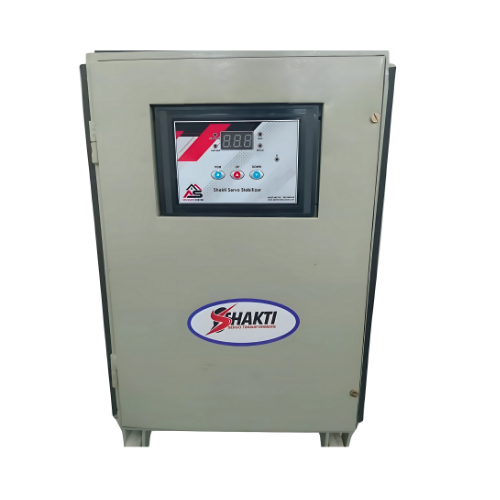
A voltage stabilizer for home regulates the incoming power supply and ensures that your appliances receive a constant and safe voltage level. Whether the voltage increases or drops, the stabilizer adjusts it automatically, protecting your devices from internal damage.
Why Capacity Matters
One of the most important factors when buying a stabilizer is its capacity. If you choose a stabilizer with lower capacity than required, it can overload and fail to protect your appliances effectively.
For most small to mid-sized homes, a 5kVA stabilizer is a commonly recommended option. It offers a balance between performance and affordability.
When a 5kVA Stabilizer is a Good Choice
A 5kVA stabilizer is generally suitable if your household includes:
- One air conditioner
- A refrigerator
- A television
- Basic lighting and fans
- Small kitchen appliances
It works efficiently when all high-power devices are not used simultaneously. This makes it a great choice for 1BHK or 2BHK homes with moderate electricity usage.
👉 If you’re unsure whether this capacity fits your needs, check this detailed guide:
Is a 5kVA Stabilizer Enough for Your Home? A Practical Guide
Situations Where You May Need Higher Capacity
A 5kVA stabilizer may not be sufficient if:
- You use multiple air conditioners
- You have heavy appliances like geysers or washing machines running together
- Your home has high overall power consumption
In such cases, going for a higher kVA stabilizer ensures better safety and long-term reliability.
Key Tips Before Buying a Stabilizer
1. Calculate Total Load
Add the wattage of all appliances you plan to connect. This helps you choose the correct capacity.
2. Check Voltage Range
Select a stabilizer that can handle wide fluctuations, especially if your area experiences frequent voltage drops.
3. Choose the Right Type
Servo stabilizers are ideal for whole-house protection, while smaller stabilizers work for individual appliances.
4. Think Long-Term
If you plan to add more appliances in the future, choose a slightly higher capacity model.
Benefits of Installing a Stabilizer
Investing in a good stabilizer offers multiple advantages:
- Protects appliances from damage
- Improves performance and efficiency
- Reduces repair costs
- Extends the lifespan of electrical devices
Frequently Asked Questions (FAQs)
Q1. Is a 5kVA stabilizer enough for a 2BHK home?
Yes, a 5kVA stabilizer is generally suitable for a 2BHK home with moderate power usage and limited heavy appliances.
Q2. How many appliances can run on a 5kVA stabilizer?
It can handle basic household appliances like one AC, refrigerator, TV, fans, and lights, provided they are not all running at full load simultaneously.
Q3. Can I use one stabilizer for the whole house?
Yes, you can use a whole-house stabilizer, but you must choose the correct capacity based on total load.
Q4. What happens if the stabilizer capacity is low?
A low-capacity stabilizer may overload, causing poor performance and potential damage to both the stabilizer and connected appliances.
Q5. Which type of stabilizer is best for home use?
Servo stabilizers are considered the best for homes as they provide accurate voltage correction and better efficiency.
Conclusion
Choosing the right servo stabilizer is essential for maintaining the safety and efficiency of your home appliances. A 5kVA stabilizer is a reliable option for households with moderate power needs, but it’s always important to evaluate your total load before making a final decision. With the right choice, you can ensure uninterrupted performance and long-term protection for your valuable electronics.
Read more – What Is a Servo Stabilizer? Everything You Need to Know