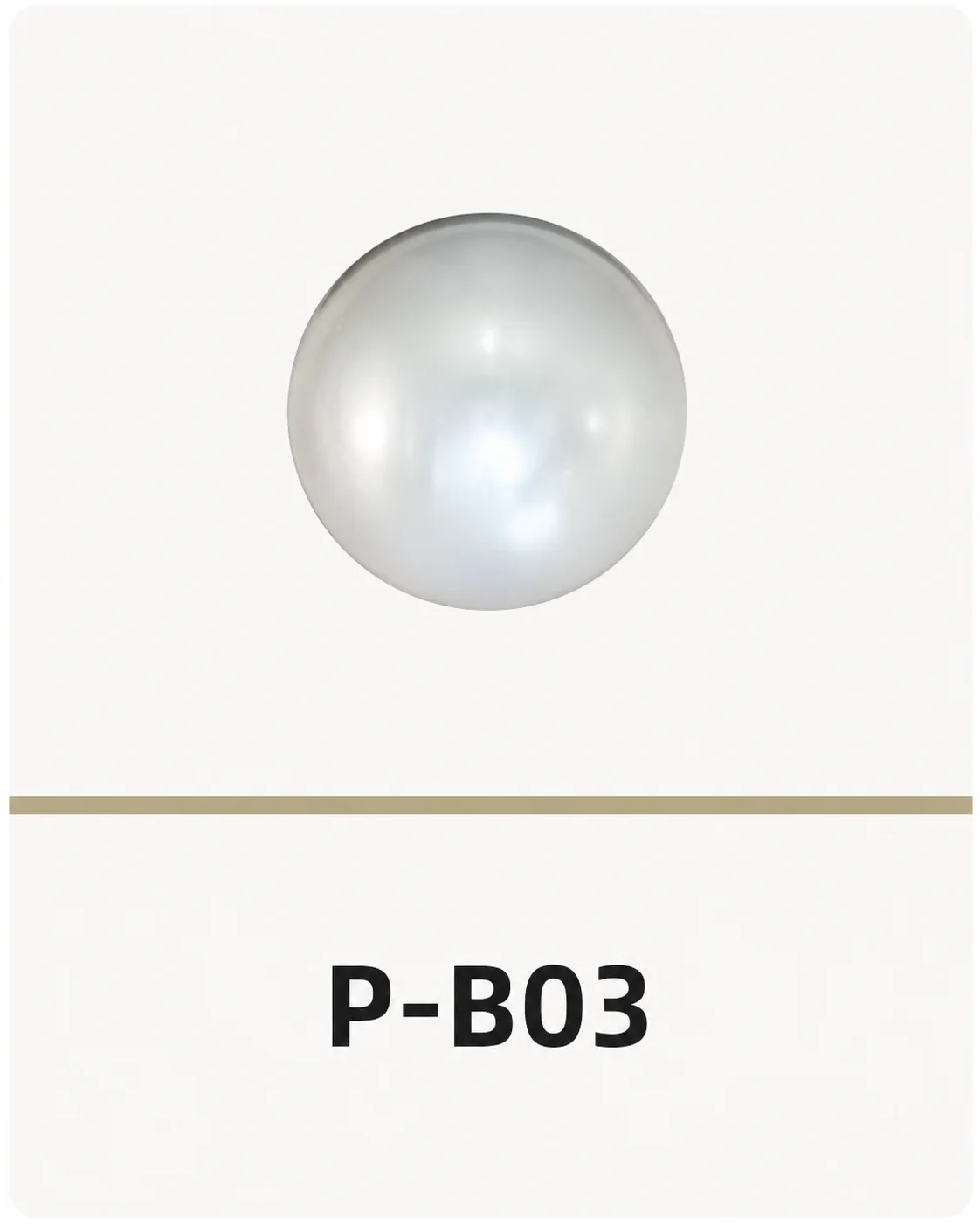
Pearl Pigment for Jewellery is a decorative colour material used to create luminous, metallic, iridescent, and pearl-like effects on ornaments and jewellery-related products. Unlike ordinary colour pigments that provide a flat appearance, pearl pigments reflect and refract light from different angles. This creates a soft glow, rich shine, and changing visual effect that enhances the beauty of the finished piece.
These pigments are widely used in fashion jewellery, resin jewellery, enamel work, artificial ornaments, decorative beads, pendants, earrings, bangles, brooches, rings, and handcrafted accessories. They allow jewellery designers and manufacturers to create attractive finishes without relying only on solid colours.
How Pearl Pigment Creates Its Special Effect
Pearl pigments contain fine reflective particles coated with selected metal oxides. When light falls on these particles, part of it is reflected while the remaining light passes through different layers. This interaction produces a pearl-like shine and multidimensional appearance.
The final effect may change according to the viewing angle, lighting conditions, pigment particle size, base colour, and application method. Fine particles generally create a smooth and silky glow, while larger particles provide a more visible sparkle.
This ability to interact with light makes pearl pigments suitable for jewellery designs that need depth and elegance. Even a simple ornament can appear more luxurious when finished with a carefully selected pearlescent shade.
Popular Colours and Effects
Pearl Pigment for Jewellery is available in many shades and visual effects. Common options include pearl white, silver, gold, bronze, copper, rose gold, pink, blue, green, violet, red, and champagne.
Interference pigments appear almost transparent on a light surface but reveal a coloured glow when viewed from different angles. They can create blue, green, violet, gold, or red reflections without covering the base design completely.
Colour-shifting pigments can display more than one shade depending on the angle of light. For example, a jewellery piece may appear blue from one direction and violet or green from another.
Metallic pearl pigments offer the appearance of precious metals and are frequently used to create gold, silver, bronze, and copper finishes in artificial jewellery.
Applications in Resin Jewellery
Resin jewellery is one of the most common applications of pearl pigments. The pigment can be mixed into clear or coloured resin to create pendants, rings, bracelets, earrings, charms, and decorative beads.
Designers can produce a uniform pearlescent colour by mixing the pigment thoroughly into the resin. They can also create swirling, marble, cloud, galaxy, or layered effects by adding the pigment selectively.
Different pigment colours may be blended to develop customised shades. However, excessive pigment can reduce transparency or affect the resin’s curing performance. Small test batches are therefore recommended before large-scale production.
Use in Enamel and Decorative Coatings
Pearl pigments can be incorporated into compatible enamel systems and decorative coatings used on metal jewellery surfaces. They may be applied over coloured bases to improve depth or used as a final decorative layer.
A dark base colour can create a stronger and more dramatic pearl effect, while a light base produces a softer appearance. Black, navy, maroon, and deep green backgrounds often make interference and colour-shifting pigments more visible.
Spraying, brushing, dipping, screen printing, or other coating techniques may be used depending on the jewellery material and production method. A transparent protective coating can be applied after colouring to improve surface durability.
Benefits for Jewellery Manufacturers and Designers
Pearl pigments provide strong visual impact with a relatively small quantity of material. They allow manufacturers to develop multiple product variations by changing the pigment shade, concentration, or base colour.
They can also help create premium-looking jewellery at different price points. A gold, champagne, silver, or rose-gold pearlescent finish can give artificial ornaments a refined appearance.
For handcrafted jewellery designers, these pigments support creative experimentation. They can be combined with glitter, flakes, dried flowers, stones, or transparent resin to produce unique pieces.
Pearl pigments are also useful for seasonal collections, bridal accessories, festive jewellery, fashion merchandise, and personalised gifts.
Important Selection Factors
The correct pigment should be selected according to the jewellery material, binder, resin, coating system, application method, and desired finish. Particle size plays an important role in the final result.
Fine-grade pigments are suitable for smooth, satin-like finishes and detailed jewellery pieces. Larger particle sizes create stronger sparkle but may not work well in extremely thin coatings or narrow mould sections.
The pigment should also offer good dispersion, colour consistency, heat resistance, and compatibility with the chosen medium. Manufacturers should follow the recommended mixing ratio and processing instructions.
For products that may come into prolonged contact with the skin, it is important to use materials that meet the relevant safety and regulatory requirements for the intended application.
Frequently Asked Questions
What is Pearl Pigment for Jewellery used for?
It is used to create pearlescent, metallic, shimmering, iridescent, and colour-shifting effects on resin, enamel, beads, pendants, bangles, earrings, and decorative ornaments.
Can pearl pigment be mixed with resin?
Yes, compatible pearl pigment can be mixed into epoxy, UV, or other jewellery resins according to the manufacturer’s instructions.
Which pigment creates a rose-gold effect?
Rose-gold pearl pigments or a suitable blend of gold, copper, and pink shades can produce a rose-gold appearance.
Does the base colour affect the pearl finish?
Yes, dark bases generally create stronger interference and colour-shifting effects, while light bases produce softer pearl tones.
Can different pearl pigments be mixed together?
Yes, compatible pigments can be blended to create customised colours and decorative effects. Testing is recommended before full production.
Is a protective coating necessary?
A clear protective layer may improve scratch resistance, shine, and durability, especially on coated jewellery surfaces.
Conclusion
Pearl Pigment for Jewellery offers designers and manufacturers an effective way to add shine, elegance, depth, and creative colour effects to ornaments. Its wide shade range, flexible application possibilities, and light-reflecting properties make it suitable for resin jewellery, enamel work, fashion accessories, decorative beads, and artificial ornaments. By selecting the correct pigment grade and using a compatible application system, jewellery makers can create visually distinctive products with a refined and premium finish.