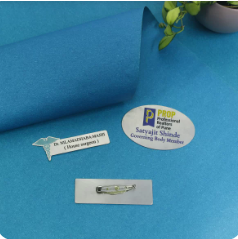
Customized lapel pins are stylish and meaningful accessories designed to represent a brand, organization, event, achievement, or personal idea. These small pins can communicate identity, values, and recognition in a simple yet memorable way. Businesses, schools, clubs, NGOs, event organizers, and individuals use customized lapel pins for promotion, employee appreciation, membership recognition, fundraising, and special celebrations.
Unlike standard pins, customized lapel pins are created according to specific design requirements. The shape, colour, logo, size, metal finish, attachment, and packaging can be selected to match the intended purpose. This flexibility makes lapel pins suitable for professional, promotional, and personal applications.
Why Customized Lapel Pins Are Popular
Customized lapel pins provide a practical way to create brand visibility without using large promotional materials. A well-designed pin can be attached to a blazer, shirt, uniform, bag, cap, or jacket. Every time the wearer uses it, the design receives natural attention.
These pins are also valued because they are easy to distribute and store. They can be presented during corporate meetings, exhibitions, product launches, award ceremonies, conferences, and employee events. Their compact size makes them convenient, while their customised design gives them a premium and personal appearance.
Lapel pins are often kept for a long time, especially when they represent an important event, achievement, or membership. This gives them greater emotional value than many temporary promotional products.
Common Uses of Customized Lapel Pins
Businesses can use customized lapel pins featuring their company logo, brand symbol, tagline, or campaign design. Employees may wear them during meetings, trade shows, office events, or customer interactions to maintain a consistent professional identity.
Schools and colleges often use lapel pins for student councils, house captains, academic achievements, sports teams, alumni groups, and special functions. These pins help create a sense of pride and belonging among students.
Clubs, associations, and nonprofit organizations can distribute customised pins to members, volunteers, donors, and supporters. They may also be used during fundraising campaigns or awareness programs.
Event organizers can design special lapel pins for conferences, weddings, exhibitions, festivals, anniversaries, and corporate celebrations. Guests can keep them as a reminder of the occasion.
Materials and Manufacturing Options
Customized lapel pins can be produced using materials such as brass, iron, stainless steel, zinc alloy, and other suitable metals. The selection depends on the required design, finish, budget, and quantity.
Soft enamel pins are popular because they offer bright colours and a slightly raised metal outline. Hard enamel pins have a smoother and more polished surface, creating a premium appearance. Die-struck pins are suitable for simple and elegant designs without multiple colours.
Printed lapel pins can reproduce detailed artwork, photographs, gradients, and small text. They are useful when the design includes complex graphics that may not be suitable for traditional enamel filling.
Different finishes such as gold, silver, antique gold, antique silver, black nickel, copper, and matte metal can be selected to improve the overall appearance.
Designing an Effective Lapel Pin
A good lapel pin design should remain clear even at a small size. Complicated artwork, excessive text, and too many colours may reduce readability. A simple logo, bold symbol, or balanced layout usually produces a stronger result.
The shape of the pin can follow a standard round, square, rectangular, or shield style. It can also be cut according to the exact outline of a logo, mascot, product, or symbol.
The size should be selected according to the level of detail. Small pins look subtle and professional, while slightly larger pins allow more text and design elements.
Attachments such as butterfly clutch, rubber clutch, magnetic backing, safety pin, or screw fitting can be chosen depending on how the pin will be worn.
Benefits for Branding and Recognition
Customized lapel pins can help strengthen brand identity by presenting a logo or message in a professional form. They can also make employees feel more connected to the company.
Recognition pins may be given for completing years of service, achieving sales targets, showing leadership, or contributing to a successful project. Such pins offer a visible and lasting symbol of appreciation.
For clubs and organizations, lapel pins can represent membership and encourage unity. Limited-edition designs can also create exclusivity and increase interest among recipients.
Frequently Asked Questions
Can customized lapel pins include a company logo?
Yes, company logos, names, symbols, taglines, and campaign messages can be added to the pin design.
What is the best material for lapel pins?
Brass, iron, stainless steel, and zinc alloy are commonly used. The best option depends on the design, finish, and budget.
Can lapel pins be made in custom shapes?
Yes, lapel pins can be manufactured in shapes based on logos, mascots, products, letters, or unique artwork.
Which finish gives lapel pins a premium look?
Gold, silver, antique metal, black nickel, and polished finishes can create a premium appearance.
Are customized lapel pins suitable for events?
Yes, they are widely used for conferences, exhibitions, weddings, anniversaries, award functions, and corporate events.
Can names or numbers be added to each pin?
Personalisation options may include individual names, serial numbers, designations, or event details, depending on the manufacturing method.
Conclusion
Customized lapel pins combine creativity, branding, recognition, and personal value in a compact accessory. They can promote a business, celebrate achievements, represent membership, or preserve memories of an important event. With the right material, shape, finish, colour, and attachment, customised lapel pins can become attractive and long-lasting symbols that people are proud to wear.