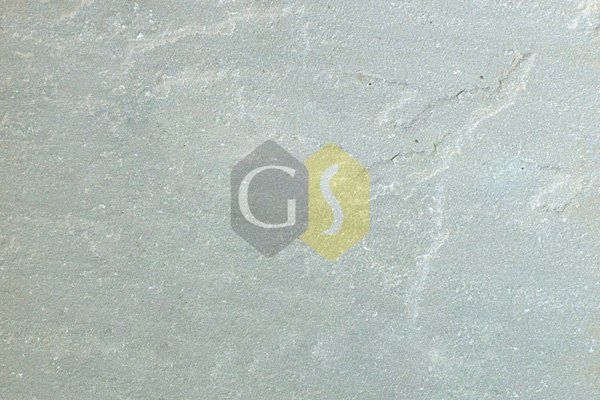
Limestone is one of the most widely used natural materials in the world. Its versatility, durability, and cost-effectiveness make it an essential resource for industries such as construction, agriculture, and manufacturing. Whether you are working on a large infrastructure project or a small commercial setup, selecting the right limestone supplier is crucial for ensuring quality and long-term success.
Understanding Limestone
Limestone is a sedimentary rock primarily composed of calcium carbonate. It is formed through natural processes over millions of years, often from marine organisms like shells and coral. Due to its chemical composition and physical strength, limestone is suitable for a wide range of applications.
It can be easily cut, shaped, and processed, which makes it a preferred choice for both industrial and decorative purposes.
Key Uses of Limestone
Limestone is used in several industries due to its adaptability:
Construction and Infrastructure
It is a primary ingredient in cement production and is also used for road base, building stones, and aggregates.
Agriculture
Limestone helps neutralize acidic soil, improving fertility and crop yield.
Industrial Applications
It is used in steel production, water treatment, and chemical manufacturing.
Interior and Exterior Design
Limestone is widely used for flooring, wall cladding, and landscaping because of its natural texture and appearance.
Why Choosing the Right Supplier Matters
A reliable limestone supplier ensures that you receive consistent quality and proper material specifications. Poor-quality limestone can lead to structural issues, increased costs, and project delays.
Here are some reasons why selecting the right supplier is important:
- Ensures uniform material quality
- Reduces project delays and wastage
- Offers better pricing and value
- Provides accurate sizing and grading
- Ensures timely delivery
Working with a dependable supplier can significantly improve project efficiency.
Important Factors to Consider
Before finalizing a supplier, evaluate these factors carefully:
Quality of Material
Always check if the limestone meets industry standards and specifications.
Product Availability
Choose a supplier who offers various forms such as powder, crushed stone, and blocks.
Industry Experience
Experienced suppliers understand project requirements and deliver better solutions.
Bulk Supply Capability
Ensure the supplier can handle large orders without delays.
Pricing Structure
Look for transparent pricing without hidden costs.
Delivery and Logistics
Efficient transportation and timely delivery are essential for project success.
Types of Limestone Products
Different projects require different types of limestone. Common options include:
- Crushed Limestone – Used for road construction and foundation work
- Limestone Powder – Used in agriculture and industrial processes
- Limestone Blocks – Used in construction and architecture
- Processed Limestone – Used in chemical and manufacturing industries
Understanding your requirement helps in choosing the right type of material.
Benefits of a Professional Supplier
Partnering with a professional supplier provides multiple advantages:
- Consistent and reliable material supply
- Technical support for selecting the right product
- Custom solutions based on project needs
- Reduced downtime and improved efficiency
- Long-term business reliability
A good supplier becomes a valuable partner in your project journey.
Industrial and Commercial Applications
Limestone is widely used in:
- Construction and real estate development
- Cement manufacturing plants
- Agricultural fields
- Industrial processing units
- Infrastructure and road projects
Its wide usability makes it one of the most important materials in modern development.
FAQs
Q1. What are the main uses of limestone?
Limestone is used in construction, agriculture, cement production, and industrial processes.
Q2. How can I identify a reliable limestone supplier?
Check their experience, product quality, delivery capability, and customer reviews.
Q3. Is limestone suitable for long-term construction?
Yes, it is durable and widely used in construction and infrastructure projects.
Q4. Can limestone be customized for specific needs?
Yes, suppliers often provide different sizes and grades based on requirements.
Q5. What factors affect limestone quality?
Composition, purity, moisture content, and processing methods affect quality.
Conclusion
Selecting the right limestone supplier is essential for achieving quality results in any project. From ensuring consistent material supply to providing proper guidance and support, a reliable supplier plays a key role in project success. Limestone’s versatility across industries makes it a valuable resource, and choosing the right source ensures efficiency, durability, and cost-effectiveness. By evaluating quality, experience, and delivery capabilities, you can make an informed decision that benefits your project in the long run.