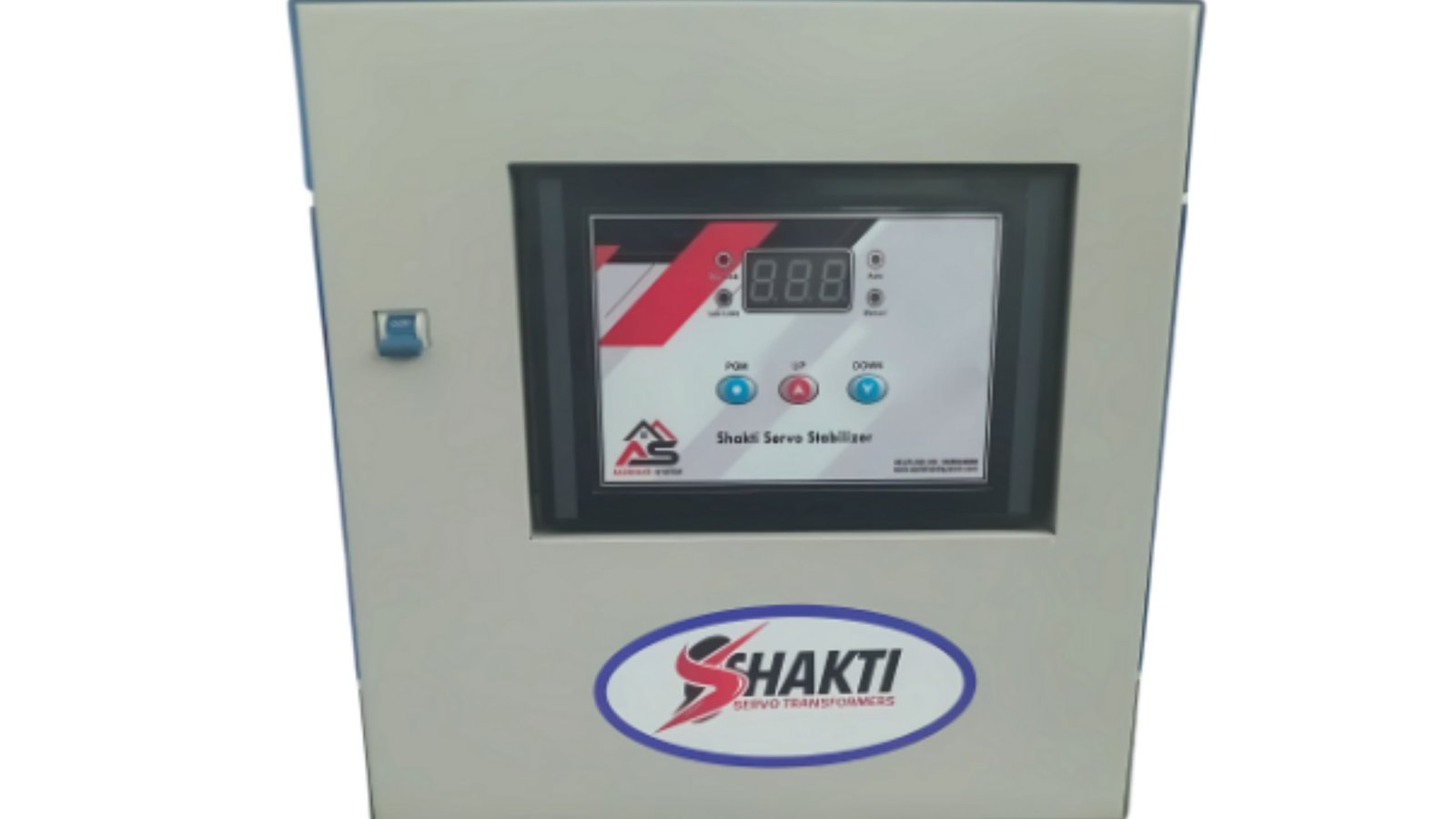
In today’s fast-paced industrial and commercial environments, maintaining a stable power supply is crucial. Voltage fluctuations are a common issue that can damage sensitive equipment, reduce efficiency, and lead to costly downtime. This is where a servo voltage stabilizer plays a vital role. It ensures consistent voltage output, protecting electrical devices and improving their performance and lifespan.
What is a Servo Stabilizer?
A servo stabilizer is an advanced electrical device designed to regulate voltage fluctuations automatically. It uses a servo motor mechanism to correct voltage variations and deliver a stable output. Unlike conventional stabilizers, servo stabilizers provide high accuracy and are suitable for applications where precision is critical.
These stabilizers continuously monitor the input voltage and adjust it in real-time, ensuring that connected equipment receives a constant and safe voltage supply.
How Does a Servo Stabilizer Work?
The working of a servo stabilizer is based on a feedback-controlled system. It consists of key components such as a servo motor, control circuit, buck-boost transformer, and carbon brush.
Here’s how it functions:
- The control circuit detects voltage fluctuations.
- If the voltage is too high or too low, it sends a signal to the servo motor.
- The servo motor adjusts the transformer through the carbon brush mechanism.
- This process corrects the voltage and maintains a steady output.
This continuous adjustment ensures smooth and reliable operation without interruptions.
Key Features of Servo Stabilizers
Servo stabilizers come with several advanced features that make them ideal for industrial and commercial use:
- High Accuracy: Maintains voltage within a very tight range
- Automatic Operation: No manual intervention required
- Wide Input Voltage Range: Works effectively under varying conditions
- Overload Protection: Prevents damage to connected devices
- Durability: Designed for long-term performance
These features make servo stabilizers a preferred choice for critical applications.
Applications of Servo Stabilizers
Servo stabilizers are widely used across different industries due to their reliability and efficiency. Some common applications include:
1. Industrial Use
Factories and manufacturing units rely heavily on stable power. Servo stabilizers protect machinery such as CNC machines, compressors, and motors from voltage fluctuations.
2. Commercial Establishments
Shopping malls, offices, and hotels use servo stabilizers to ensure uninterrupted power supply for lighting, HVAC systems, and elevators.
3. Medical Equipment
Hospitals and diagnostic centers require precise voltage control for sensitive machines like MRI and CT scanners.
4. Data Centers
Servers and networking equipment need consistent voltage to avoid data loss and system failures.
Benefits of Using a Servo Stabilizer
Investing in a servo stabilizer offers multiple advantages:
- Equipment Protection: Prevents damage caused by voltage spikes and drops
- Improved Efficiency: Ensures optimal performance of electrical devices
- Reduced Maintenance Costs: Minimizes breakdowns and repairs
- Energy Savings: Maintains proper voltage levels, reducing wastage
- Longer Equipment Life: Extends the lifespan of machinery
These benefits make servo stabilizers a cost-effective solution in the long run.
Types of Servo Stabilizers
Servo stabilizers supplier are available in different types based on application needs:
- Air-Cooled Servo Stabilizers: Suitable for indoor use and smaller setups
- Oil-Cooled Servo Stabilizers: Ideal for heavy-duty industrial applications
- Single-Phase Stabilizers: Used for residential and small commercial purposes
- Three-Phase Stabilizers: Designed for large industrial machinery
Choosing the right type depends on load capacity and operational requirements.
Factors to Consider Before Buying
Before selecting a servo stabilizer, consider the following factors:
- Load Capacity: Ensure it matches your equipment requirements
- Input Voltage Range: Choose according to local power conditions
- Type of Cooling: Air or oil-cooled based on usage
- Installation Location: Indoor or outdoor setup
- Brand and Quality: Opt for reliable manufacturers
Making the right choice ensures better performance and durability.
Maintenance Tips
Proper maintenance is essential to keep your servo stabilizer functioning efficiently:
- Regularly check connections and wiring
- Clean dust and debris from components
- Monitor oil levels in oil-cooled models
- Schedule periodic inspections
These simple steps help in maintaining long-term efficiency.
Conclusion
A servo stabilizer is an essential device for maintaining voltage stability in modern electrical systems. Whether it’s for industrial machinery, commercial setups, or sensitive medical equipment, it ensures consistent performance and protection against power fluctuations. With its advanced features, durability, and efficiency, a servo stabilizer proves to be a valuable investment. Choosing the right stabilizer and maintaining it properly can significantly enhance the lifespan and reliability of your electrical equipment.
FAQs
1. What is the main purpose of a servo stabilizer?
It is used to maintain a constant voltage output and protect electrical equipment from fluctuations.
2. Is a servo stabilizer suitable for home use?
Yes, but it is mainly used for industrial and commercial applications due to its high capacity.
3. What is the difference between air-cooled and oil-cooled stabilizers?
Air-cooled stabilizers use air for cooling, while oil-cooled ones use transformer oil for better heat management in heavy-duty applications.
4. How long does a servo stabilizer last?
With proper maintenance, it can last for many years without performance issues.
5. Does a servo stabilizer save electricity?
It helps in maintaining optimal voltage, which can reduce energy wastage and improve efficiency.
Read more – Isolation Transformer Manufacturer in India: Complete Guide