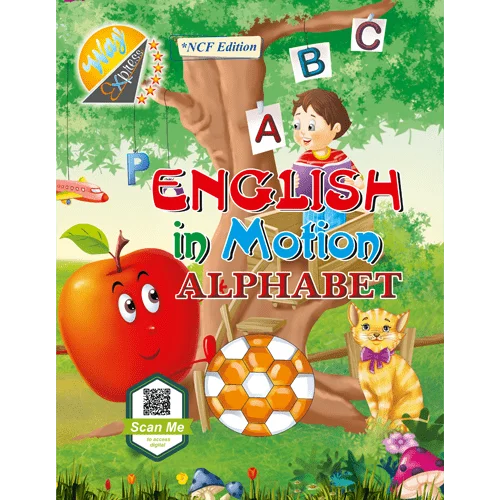
An English Alphabet Book is often a child’s first introduction to the world of language and literacy. It plays a crucial role in helping young learners recognize letters, understand sounds, and begin their reading journey. With colorful visuals and simple words, alphabet books make learning both fun and effective for children.
Why an English Alphabet Book is Important
Early childhood is the best time to introduce language skills. An English Alphabet Book helps children become familiar with letters from A to Z in an engaging way.
It builds a strong foundation for:
- Reading skills
- Writing abilities
- Vocabulary development
- Pronunciation and phonics
By using an alphabet book regularly, children gain confidence in recognizing and using letters.
How Alphabet Books Help in Learning
Alphabet books are designed to make learning simple and interactive. They use pictures, words, and repetition to help children remember each letter.
For example:
- A for Apple 🍎
- B for Boy 👦
- C for Car 🚗
These associations make it easier for kids to connect letters with real-world objects, improving their understanding.
Key Elements of an Effective Alphabet Book
A well-designed English Alphabet Book includes:
Clear Letter Presentation
Both uppercase and lowercase letters should be shown clearly to help children identify them easily.
Attractive Illustrations
Bright and colorful images keep children engaged and interested in learning.
Simple Vocabulary
Easy words help kids understand and remember quickly.
Interactive Learning
Books with tracing, activities, or puzzles make learning more enjoyable.
Different Types of Alphabet Books
There are several types of alphabet books available for different learning stages:
Beginner Alphabet Books
Ideal for toddlers, focusing on basic letter recognition with pictures.
Phonics-Based Books
Help children learn letter sounds and pronunciation.
Writing and Tracing Books
Encourage kids to practice writing letters and improve motor skills.
Activity-Based Alphabet Books
Include games, stickers, and exercises for interactive learning.
Benefits of Using an English Alphabet Book
Using an alphabet book regularly offers multiple benefits:
- Improves letter recognition skills
- Enhances memory and concentration
- Builds early reading habits
- Encourages creativity and imagination
- Strengthens communication skills
It also helps children develop a love for learning at an early age.
Tips for Parents and Teachers
To make learning more effective:
- Read the alphabet book daily with the child
- Encourage repetition of letters and words
- Use real-life examples to explain letters
- Combine reading with writing practice
- Keep learning sessions short and fun
Positive reinforcement and patience play a key role in helping children learn faster.
FAQs
Q1. What is the best age to start learning alphabets?
Children can start learning alphabets from the age of 2–3 years.
Q2. Do alphabet books help in speaking skills?
Yes, they improve pronunciation and vocabulary.
Q3. Which alphabet book is best for beginners?
Books with pictures and simple words are best for early learners.
Q4. How can I make alphabet learning fun?
Use games, songs, and interactive books along with regular practice.
Q5. Are tracing books necessary?
Yes, they help children improve writing and hand coordination.
Conclusion
An English Alphabet Book is more than just a learning tool—it is the foundation of a child’s educational journey. By introducing letters, sounds, and words in a fun and engaging way, it helps children develop essential language skills.