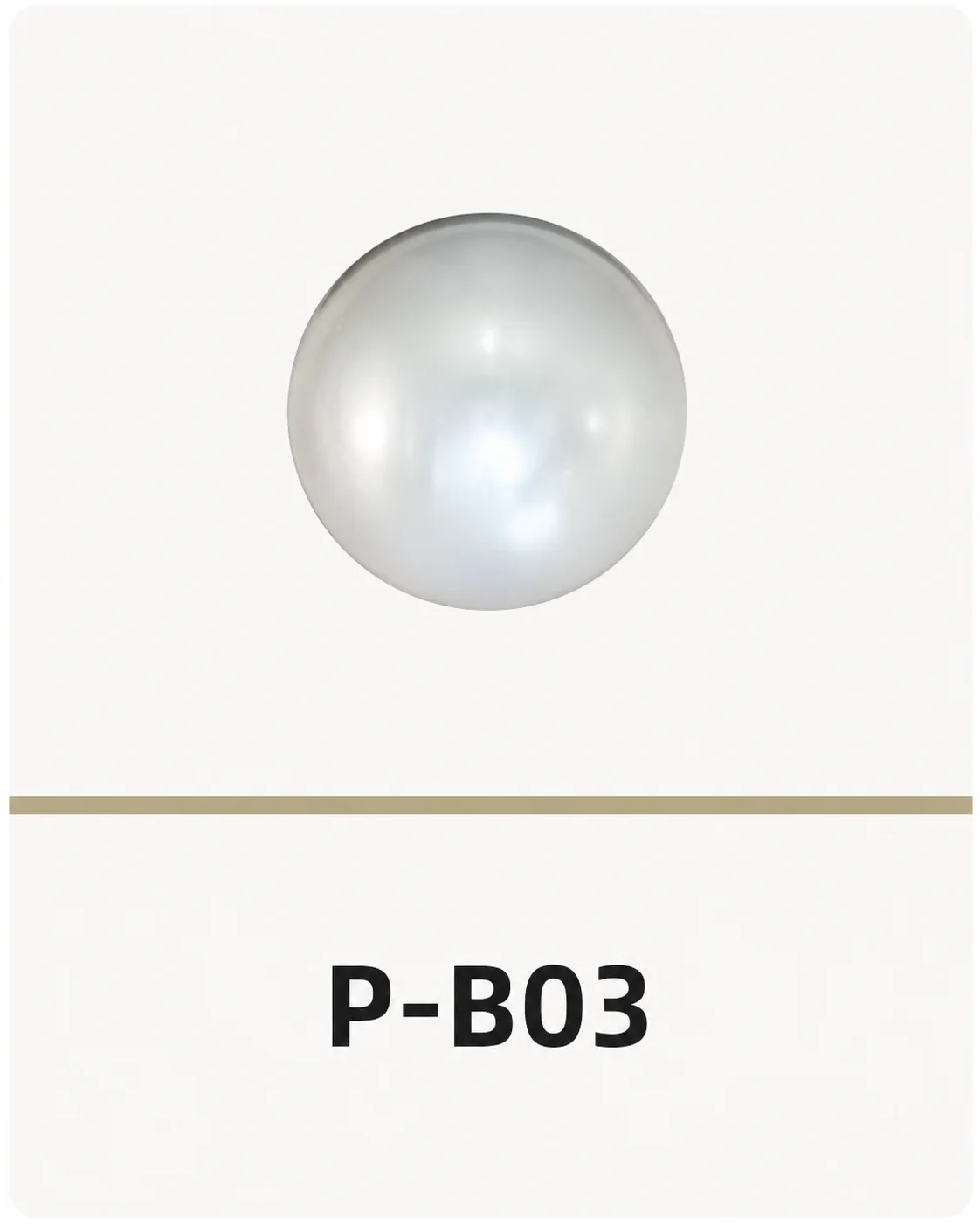
Modern products are often judged not only by their performance but also by their visual appeal. A smooth shimmer, metallic glow, satin finish, or colour-changing effect can make packaging, coatings, cosmetics, plastics, and printed materials look more attractive. Pearl pigments are widely used to create these decorative effects across multiple industries.
Choosing an experienced Pearl Pigment Supplier India is important for manufacturers that need dependable colour consistency, suitable particle sizes, proper technical guidance, and pigments compatible with different production systems. The right pigment can enhance the appearance of a product while supporting efficient manufacturing and repeatable results.
Understanding the Pearlescent Effect
Pearl pigments are effect pigments designed to interact with light. They usually consist of thin, transparent platelets coated with selected metal oxides.
When light falls on these platelets, part of it reflects from the upper surface while the remaining light travels through the transparent layers and reflects from lower surfaces. These reflected light waves combine to produce shimmer, depth, lustre, and colour variation.
This optical behaviour gives pearl pigments a softer and more layered appearance than many ordinary metallic pigments. The visible effect may change depending on the viewing angle, lighting, background colour, pigment concentration, and particle size.
Shades Available from Pearl Pigment Suppliers
Pearl pigments are available in a broad selection of shades and effects. Silver-white pigments create a classic pearl glow and are commonly used in coatings, plastics, cosmetics, and printing inks.
Gold pearl pigments are available in pale champagne, yellow gold, rich gold, and antique-style shades. Bronze, copper, red, brown, and earthy metallic effects are often created using iron-oxide coatings.
Interference pigments produce subtle colours on light surfaces and stronger reflections on dark backgrounds. They may display blue, green, violet, red, or golden tones depending on the viewing angle.
Multi-effect and colour-shifting pigments can show two or more colours as the surface moves under light. These pigments are frequently selected for premium packaging, automotive finishes, creative coatings, and speciality products.
Importance of Particle Size
Particle size has a major influence on the final appearance. Fine pearl pigments create a smooth, silky, and satin-like shine. They are suitable for applications requiring a refined and uniform finish.
Medium-sized particles offer a balanced combination of coverage and brilliance. They are widely used in industrial paints, plastics, packaging, and decorative coatings.
Larger particles create stronger sparkle and a more dramatic appearance. These pigments are often used in automotive paints, screen-printing inks, decorative products, and speciality coatings.
A professional Pearl Pigment Supplier India can help manufacturers compare particle sizes and select the most appropriate option for the intended surface and production process.
Use in Paint and Coating Formulations
Pearl pigments are widely used in decorative paints, industrial coatings, powder coatings, automotive finishes, wood coatings, and speciality surface treatments.
In wall paints and decorative finishes, they can create soft shimmer, textured effects, and elegant feature surfaces. Furniture and wood coatings use pearl pigments to add depth while allowing the underlying grain or colour to remain visible.
Industrial manufacturers may use them on appliances, equipment, tools, electronic housings, and consumer goods. The final effect depends on pigment orientation, coating transparency, background shade, and application thickness.
Proper mixing is essential. Extremely aggressive grinding can damage the platelet structure and reduce the pearlescent appearance. Pigments are therefore often added during the final stages of formulation.
Pearl Pigments in Plastic Manufacturing
The plastics industry uses pearl pigments in bottles, containers, packaging components, toys, household products, decorative items, automotive parts, and electrical accessories.
They can be added to suitable polymers through masterbatch, dry blending, or direct mixing methods. The selected pigment should tolerate the required processing temperature and remain compatible with the resin.
Transparent or lightly coloured plastics can create soft and luminous effects, while darker plastic bases can produce stronger contrast and brilliance.
Consistent dispersion is necessary to avoid uneven shine, streaks, or visible pigment concentration in certain areas.
Printing and Packaging Applications
Pearlescent pigments help printed materials appear more attractive and premium. They are used in labels, cartons, invitation cards, greeting cards, book covers, promotional materials, luxury packaging, and decorative prints.
Screen printing is particularly suitable for larger pearl particles because the printing mesh can accommodate their size. Finer pigments may be used in gravure, flexographic, and other speciality ink systems when properly formulated.
Packaging manufacturers use pearl effects to highlight logos, backgrounds, borders, patterns, and selected design elements. A controlled shimmer can attract attention without reducing readability.
Cosmetic and Personal-Care Products
Cosmetic-grade pearl pigments are used in eyeshadows, highlighters, blushes, nail colours, lip products, soaps, lotions, and personal-care formulations.
They can create natural glow, intense sparkle, metallic shine, or colour-changing effects. Fine pigments may provide a smooth radiance, while larger particles create more visible shimmer.
Only pigments specifically approved for cosmetic applications should be used. Manufacturers must check product grade, purity, regulatory suitability, and intended area of application before formulation.
A responsible supplier should clearly distinguish cosmetic pigments from industrial-grade products.
Selecting a Dependable Supplier
Manufacturers should evaluate product quality, shade range, batch consistency, technical documentation, supply capacity, packaging, and application guidance before choosing a supplier.
Product samples should be tested in the actual production formulation. A pigment that appears attractive in dry powder form may produce a different effect when mixed with paint, resin, ink, or cosmetic bases.
Reliable suppliers provide information about particle size, recommended dosage, compatible applications, storage, handling, and mixing methods. They should also supply properly labelled and sealed packaging to reduce contamination and moisture exposure.
Frequently Asked Questions
1. What makes pearl pigments different from standard colour pigments?
Standard pigments mainly provide colour, while pearl pigments interact with light to create shimmer, depth, lustre, and changing visual effects.
2. Which industries use pearl pigments?
They are used in paints, coatings, plastics, printing inks, cosmetics, packaging, automotive finishes, textiles, and decorative products.
3. Can pearl pigments be added to transparent materials?
Yes, transparent and translucent materials can produce attractive luminous and layered effects with suitable pearl pigments.
4. Why do pearl pigments look different on dark backgrounds?
Dark backgrounds absorb more surrounding light and increase contrast, making interference and pearlescent reflections appear stronger.
5. Can pearl pigments withstand high processing temperatures?
Some grades are suitable for high-temperature processing, but compatibility should be confirmed with the supplier before use.
6. How should pearl pigments be mixed?
They should generally be dispersed gently and added after aggressive grinding stages to protect their platelet structure.
7. Are all pearl pigments safe for cosmetics?
No. Only approved cosmetic-grade pigments that meet relevant purity and safety requirements should be used in cosmetic products.
Conclusion
Pearl pigments provide manufacturers with an effective way to create shimmer, metallic depth, satin lustre, and colour-changing finishes. Their applications extend across coatings, plastics, printing, cosmetics, packaging, and decorative manufacturing.
Working with a reliable Pearl Pigment Supplier India helps businesses obtain suitable shades, consistent quality, technical support, and dependable supply. Careful product testing, correct particle-size selection, and proper mixing methods can help manufacturers achieve attractive and repeatable finishes that increase the visual value of their products.