The modern business world is undergoing a significant transformation driven by digital innovation, changing regulations, cybersecurity concerns, and increasing stakeholder expectations. As organizations strive to remain competitive and resilient, the role of Internal Auditing has become more important than ever. No longer limited to financial reviews and compliance checks, internal auditors are now strategic partners who contribute to governance, risk management, operational efficiency, and long-term organizational success.
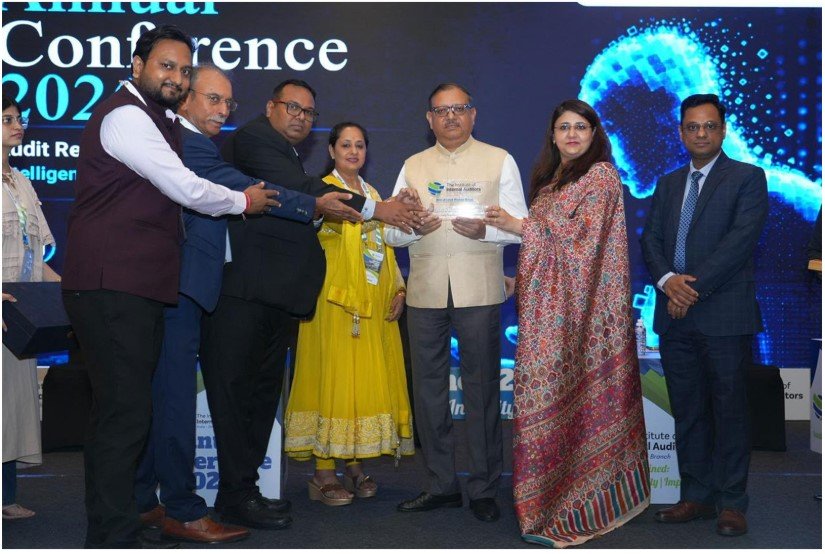
The Annual Conference 2026, organized by leading audit professionals and industry experts, provided a platform to discuss how Internal Auditing is adapting to these evolving challenges. Held on 19th and 20th June 2026 at Holiday Inn, Aerocity, New Delhi, the conference brought together auditors, governance specialists, compliance professionals, risk managers, technology leaders, and business executives to explore the future of the profession.
The Evolving Importance of Internal Auditing
Over the last decade, organizations have experienced unprecedented changes in technology, business models, and regulatory environments. As a result, Internal Auditing has evolved from a traditional control-focused function into a strategic business enabler.
Modern internal auditors are expected to:
- Assess organizational risks
- Strengthen governance frameworks
- Improve operational efficiency
- Evaluate cybersecurity controls
- Support compliance initiatives
- Identify emerging business threats
- Enhance decision-making processes
These responsibilities make Internal Auditing a critical component of sustainable business growth.
Conference Theme: Audit Reimagined
One of the central themes of the conference was the concept of reimagining the audit profession to meet future demands. The event highlighted how internal auditors can embrace innovation while maintaining independence, integrity, and objectivity.
The discussions focused on three major pillars:
Intelligence
Organizations today generate vast amounts of data. Internal auditors must use advanced technologies and analytical tools to transform this information into meaningful insights.
Key topics included:
- Artificial Intelligence in auditing
- Data analytics and business intelligence
- Continuous monitoring systems
- Predictive risk assessment
- Audit automation
By leveraging intelligent technologies, audit teams can improve efficiency and deliver greater value to organizations.
Integrity
Integrity remains the foundation of successful Internal Auditing. Stakeholders rely on auditors to provide objective evaluations that promote accountability and transparency.
Conference sessions emphasized:
- Ethical leadership
- Professional standards
- Regulatory compliance
- Corporate governance
- Accountability mechanisms
- Building stakeholder trust
Maintaining integrity is essential for ensuring confidence in organizational processes and decision-making.
Impact
Internal auditors are increasingly expected to create measurable business impact rather than simply identifying problems.
Modern audit functions contribute by:
- Strengthening governance
- Improving risk management
- Enhancing operational performance
- Supporting strategic objectives
- Identifying growth opportunities
This value-driven approach positions Internal Auditing as an important contributor to organizational success.
Technology Transforming Internal Auditing
Technology was one of the most discussed topics throughout the conference. Rapid digital transformation is fundamentally changing how audits are planned, executed, and reported.
Artificial Intelligence
Artificial intelligence is helping auditors analyze large volumes of information quickly and accurately. AI-powered systems can identify unusual transactions, detect patterns, and improve risk assessments.
Data Analytics
Advanced analytics tools enable auditors to evaluate entire data populations instead of relying solely on sample testing. This improves audit quality and provides deeper operational insights.
Automation
Automation is reducing repetitive tasks and allowing audit professionals to focus on strategic analysis and advisory activities.
Cybersecurity Audits
As cyber threats continue to grow, Internal Auditing plays an essential role in evaluating security controls, assessing vulnerabilities, and ensuring organizational resilience.
These technological advancements are redefining the profession and creating new opportunities for audit teams.
Governance and Organizational Trust
Strong governance remains a critical factor in long-term business success. Internal auditors help organizations establish transparency, accountability, and effective oversight mechanisms.
Conference discussions highlighted how Internal Auditing supports governance by:
- Evaluating internal controls
- Assessing compliance frameworks
- Monitoring ethical conduct
- Reviewing risk management processes
- Supporting board oversight
Effective governance contributes directly to stakeholder confidence and organizational sustainability.
Risk Management in a Complex Business Environment
Modern organizations face a wide range of risks, including:
- Cybersecurity threats
- Regulatory changes
- Economic uncertainty
- Operational disruptions
- Supply chain challenges
- Fraud risks
- Technological failures
The conference emphasized the importance of proactive risk identification and continuous monitoring. Internal auditors are uniquely positioned to help organizations understand these risks and implement effective mitigation strategies.
Professional Development for Audit Leaders
The event also focused heavily on professional growth and skill development.
Participants gained valuable insights into:
- Emerging audit technologies
- Leadership development
- Strategic thinking
- Communication skills
- International audit standards
- Future audit competencies
As the profession evolves, continuous learning remains essential for audit professionals seeking long-term success.
The Future of Internal Auditing
One of the key conclusions from the conference was that Internal Auditing will continue to expand its strategic role within organizations.
Future audit professionals will need expertise in:
- Artificial Intelligence
- Data Analytics
- Cybersecurity
- ESG Reporting
- Digital Governance
- Enterprise Risk Management
- Strategic Advisory Services
Organizations that invest in these capabilities will be better prepared to navigate uncertainty and achieve sustainable growth.
Conclusion
The Annual Conference 2026 demonstrated how Internal Auditing is evolving to meet the demands of a rapidly changing business environment. Through discussions on technology, governance, risk management, cybersecurity, compliance, and innovation, the event provided valuable insights for professionals across industries.
As businesses continue to embrace digital transformation and face increasingly complex challenges, Internal Auditing will play an even greater role in strengthening governance, improving resilience, and supporting organizational success. By combining intelligence, integrity, and impact, internal auditors are helping shape the future of business and building stronger foundations for long-term growth.