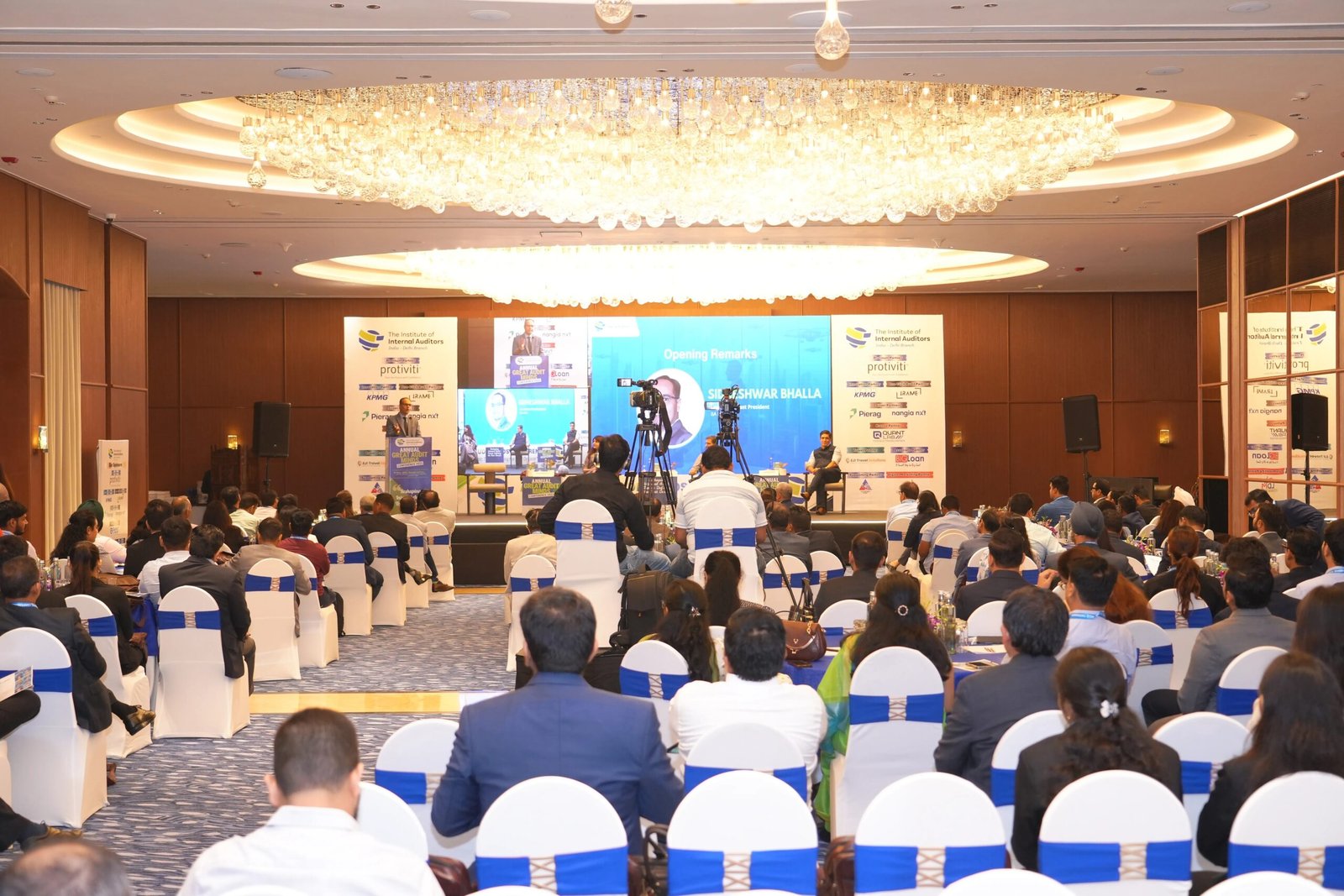
Corporate events management is the professional process of planning, organizing, and executing business events with proper strategy and coordination. In the corporate world, events are not just gatherings; they are powerful opportunities to communicate, connect, promote, and build relationships. From business conferences and product launches to annual functions and team meetings, every corporate event needs careful planning to make it successful.
A corporate event represents the image of a company. When an event is well managed, it creates a positive impression on employees, clients, partners, and guests. It shows that the company is organized, professional, and serious about delivering quality experiences. This is why many businesses prefer expert corporate events management services to handle every detail with perfection.
Meaning of Corporate Events Management
Corporate events management means handling all the activities required to plan and complete a business event. It includes understanding the event purpose, deciding the budget, choosing the venue, preparing the theme, managing vendors, arranging decoration, setting up audio-visual equipment, handling guests, and ensuring smooth execution.
Every corporate event has a specific goal. Some events are organized to educate the audience, some to launch a product, some to celebrate success, and some to build better team connections. A good event management plan keeps the purpose clear and ensures that every arrangement supports that goal.
Why Corporate Events Are Important
Corporate events help businesses communicate directly with their audience. They create a platform where companies can share ideas, announce new services, introduce products, reward employees, and build stronger business relationships. These events also help in improving brand visibility and creating trust among clients and partners.
For employees, corporate events can improve motivation and teamwork. Annual functions, award ceremonies, training programs, and team-building activities help employees feel valued and connected with the organization. For clients and business partners, a well-planned event builds confidence in the company’s professionalism.
Planning a Corporate Event
Planning is the foundation of successful corporate events management. The first step is to understand the objective of the event. A product launch needs a different setup than a conference or annual celebration. After the objective is clear, the next step is deciding the budget, date, guest list, location, and event theme.
Venue selection is also very important. The venue should be suitable for the number of guests and the type of event. It should have proper space, parking, accessibility, lighting, sound facilities, and seating arrangements. A good venue can improve the overall guest experience.
After the venue is finalized, the event flow is prepared. This includes the schedule, entry process, welcome speech, presentations, entertainment, food arrangement, and closing activity. A clear event flow helps avoid confusion and keeps everything organized.
Role of Branding in Corporate Events
Branding plays a major role in corporate events. It helps the audience remember the company and connect the event with the brand identity. Branding can be done through stage backdrops, standees, banners, LED screens, digital invitations, welcome boards, uniforms, gift items, and presentation designs.
A creative theme and strong visual presentation make the event more attractive. When branding is consistent and professional, it improves the company’s image and makes the event look more premium.
Execution and Coordination
Execution is the most important part of corporate events management. Even if the planning is strong, poor coordination can affect the event experience. A professional event team manages vendors, staff, guests, technical equipment, food service, stage activities, and last-minute requirements.
Proper coordination ensures that every part of the event happens on time. Sound, lighting, presentations, seating, registration, and hospitality should work smoothly. A good event management team also stays prepared for unexpected issues and solves them quickly.
Benefits of Corporate Events Management
Professional corporate events management saves time, reduces stress, and improves event quality. Businesses do not have to manage multiple vendors or worry about every small detail. The event team takes care of planning, setup, execution, and coordination.
It also helps in creating better audience engagement. With creative concepts, professional arrangements, and smooth management, guests enjoy the event and remember the experience. A successful event can improve brand reputation, employee satisfaction, client trust, and business networking opportunities.
FAQs
What is corporate events management?
Corporate events management is the process of planning and organizing business events such as conferences, meetings, product launches, award functions, seminars, and corporate celebrations.
Why do companies need corporate event management?
Companies need corporate event management to organize professional, smooth, and impactful events without handling all the planning, vendor management, and execution pressure themselves.
What are the common types of corporate events?
Common types of corporate events include conferences, seminars, product launches, annual functions, award ceremonies, dealer meets, networking events, training programs, and team-building events.
What makes a corporate event successful?
A clear objective, proper planning, suitable venue, strong branding, good guest management, smooth technical setup, and professional coordination make a corporate event successful.
How does corporate event management help branding?
Corporate event management helps branding by using company colors, logos, banners, stage designs, digital screens, gifts, and creative themes to create a strong brand impression.
Conclusion
Corporate events management is an important part of business growth and brand communication. A well-managed corporate event can create meaningful connections, improve company image, motivate employees, and build trust with clients. From planning and branding to execution and guest experience, every step matters. With professional event management, businesses can turn ordinary gatherings into memorable and valuable corporate experiences.
For more info – Corporate Events Management: Creating Professional and Memorable Business Experiences