With the growing popularity of inverter air conditioners, one common question homeowners ask is: “Do we need a stabilizer for inverter AC?” The short answer is—it depends on your power supply conditions. While modern inverter ACs are designed to handle voltage fluctuations, there are still situations where a stabilizer can be useful.
Understanding Inverter AC Technology
Inverter ACs are equipped with advanced compressors that adjust their speed automatically based on the cooling requirement. Unlike traditional ACs, they don’t switch on and off repeatedly. This not only saves electricity but also makes them more tolerant to voltage fluctuations.
Most modern inverter ACs come with built-in voltage protection, allowing them to operate safely within a certain voltage range (usually between 150V and 280V).
Do You Really Need a Stabilizer?
✅ You MAY NOT Need One If:
- Your area has a stable power supply
- Voltage fluctuations are minimal
- Your AC supports “stabilizer-free operation”
However, you should consider a stabilizer if:
- You live in an area with frequent voltage drops or surges
- Voltage often goes below 150V or above 280V
- You experience power cuts or inconsistent electricity
Why Voltage Stability Matters
Even though inverter ACs are advanced, extreme voltage fluctuations can:
- Damage internal electronic components
- Reduce the lifespan of the AC
- Cause sudden shutdowns or performance issues
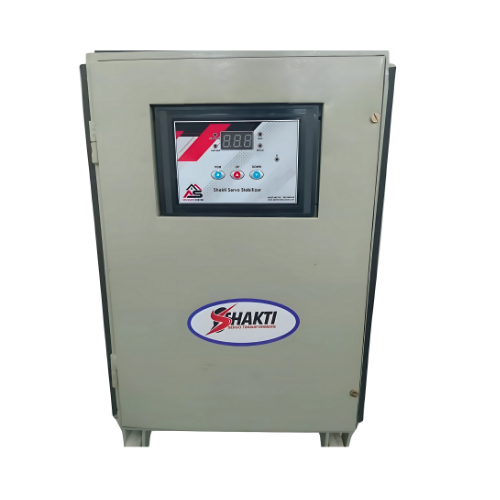
- A stabilizer acts as an additional layer of protection, ensuring your AC receives consistent voltage at all times.
FAQs: Stabilizer for Inverter AC
1. Can I run an inverter AC without a stabilizer?
Yes, you can run it safely if the voltage supply is stable and within the recommended range.
2. What voltage range do inverter ACs support?
Most inverter ACs operate within 150V to 280V, but this can vary by brand and model.
3. How do I know if my AC has built-in stabilizer protection?
Check the product specifications or user manual. Look for terms like “stabilizer-free operation.”
4. Is a stabilizer necessary in cities?
In most urban areas with reliable electricity, a stabilizer is usually not required.
5. What type of stabilizer should I choose if needed?
Choose a stabilizer with:
- Wide voltage range (140V–300V)
- Compatibility with your AC tonnage
- Overload and surge protection features
6. Will using a stabilizer increase AC life?
Yes, in areas with unstable voltage, a stabilizer can increase durability and reduce repair costs.
7. Are inverter ACs completely immune to voltage fluctuations?
No, they can handle minor fluctuations, but extreme variations can still cause damage.
8. What are the signs of unstable voltage at home?
- Flickering lights
- Appliances shutting down suddenly
- Frequent power fluctuations
Conclusion
Inverter ACs are designed to be more energy-efficient and adaptable compared to traditional air conditioners, which is why they usually do not require a stabilizer under normal voltage conditions. However, in areas with frequent voltage fluctuations, relying solely on built-in protection may not always be enough.
In such cases, using a high-quality servo stabilizer becomes a practical solution to ensure consistent voltage supply and protect your appliance from long-term damage. Choosing a reliable option, such as those offered by Shakti Servo, can help improve performance stability, enhance durability, and provide peace of mind for both home and industrial applications.
Read more – How do I estimate load requirements before selecting a servo stabilizer?